North China

North China

The political and cultural heartland of China, North China is home to the capital Beijing and some of the nation's most iconic landmarks. The region features vast plains, harsh winters, and a cuisine built on wheat-based staples like noodles, dumplings, and steamed buns. From the Great Wall snaking across mountain ridges to the imperial splendor of the Forbidden City, North China is where Chinese civilization took root.

Climate & Best Time to Visit

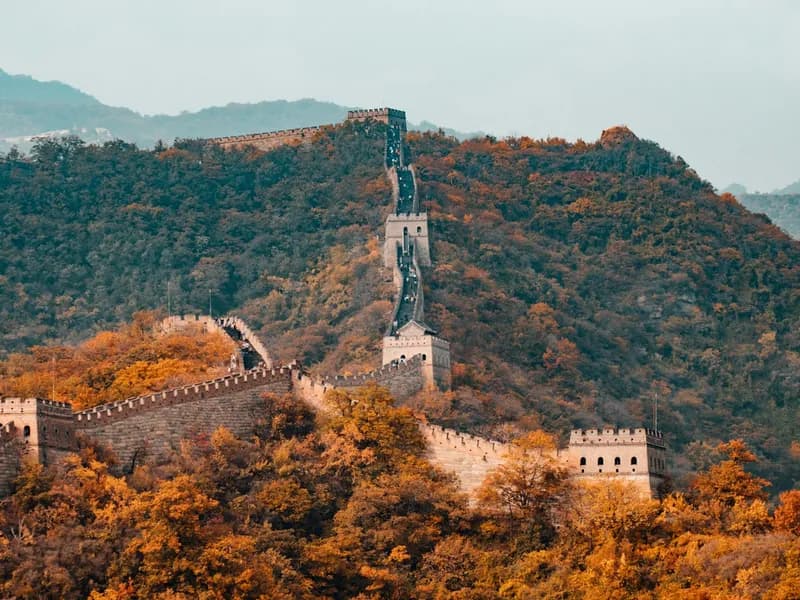
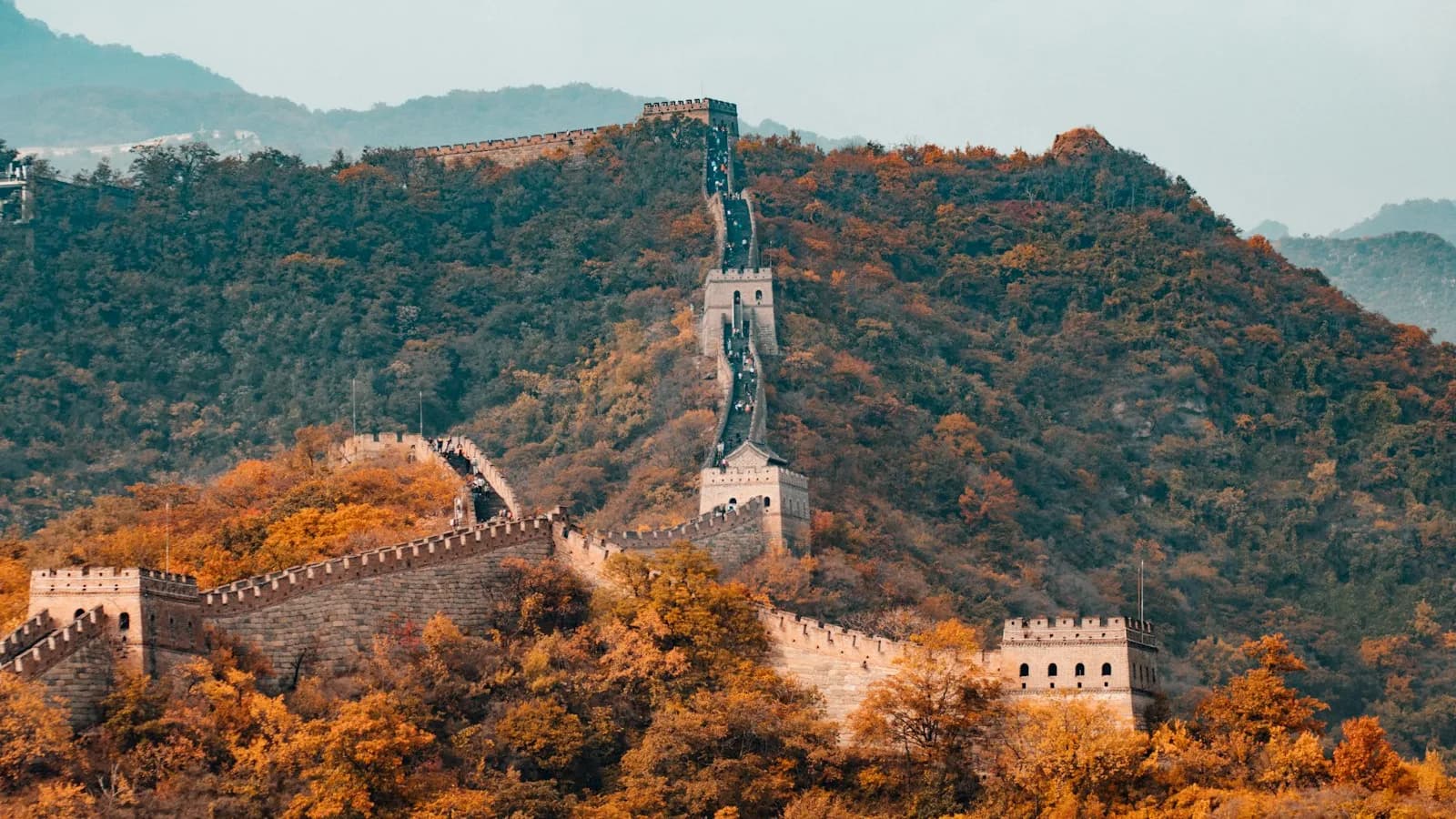
The best time to visit North China is September through October, when the autumn skies are clear and the temperature is pleasant. Summers can be sweltering with occasional sandstorms, while winters are bitterly cold and dry. The golden autumn foliage around Beijing and the Great Wall makes this the most photogenic season.

Must-See Attractions

Great Wall of China

One of North China's most iconic landmarks, attracting visitors from around the world with its historical significance and stunning beauty.

Forbidden City

A must-visit destination in North China that offers a unique glimpse into the region's rich cultural heritage and natural landscapes.

Tiananmen Square

An unforgettable experience awaits at this celebrated site in North China, where ancient tradition meets breathtaking scenery.

Temple of Heaven

One of North China's most iconic landmarks, attracting visitors from around the world with its historical significance and stunning beauty.

Summer Palace

A must-visit destination in North China that offers a unique glimpse into the region's rich cultural heritage and natural landscapes.

Peking Duck

An unforgettable experience awaits at this celebrated site in North China, where ancient tradition meets breathtaking scenery.

Getting Around North China

North China is well connected by China's extensive transport network. High-speed rail links the major cities, making it easy to hop between destinations in a single day. Here are some popular routes within and from the region.

Food & Drink in North China

Food

Peking Duck
main-dishpremium

Peking Duck

Spice: none

Beijing's most famous culinary masterpiece, Peking Duck features a whole duck roasted until the skin is perfectly thin and crispy while the meat remains succulent. Traditionally served sliced at the table, it is wrapped in thin pancakes with hoisin sauce, scallions, and cucumber. The art of preparing this dish has been refined for over 600 years.
Jiaozi (Dumplings)
snackbudget

Jiaozi (Dumplings)

Spice: none

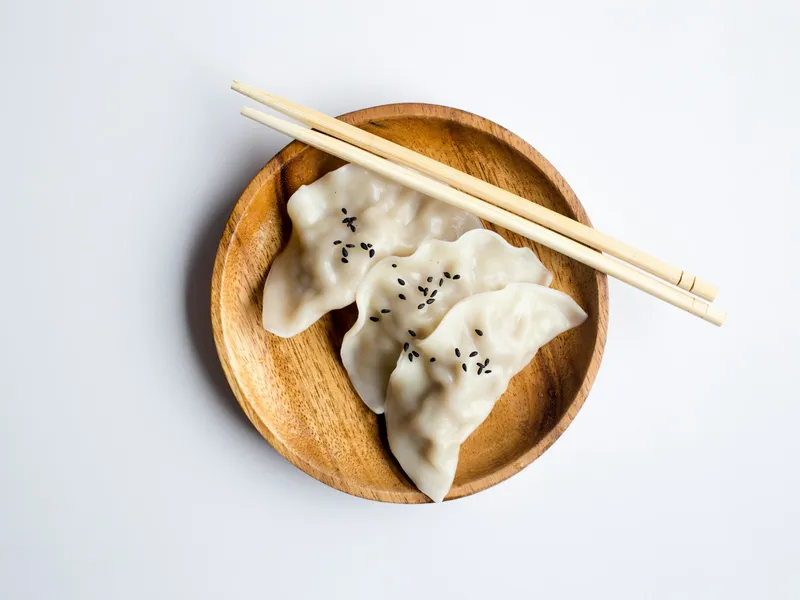
China's most beloved comfort food, jiaozi are crescent-shaped dumplings filled with seasoned minced pork and vegetables, then boiled, steamed, or pan-fried. Making dumplings together is a cherished family tradition, especially during Chinese New Year when they symbolize wealth due to their resemblance to ancient gold ingots. Served with a dipping sauce of vinegar, soy sauce, and chili oil.

Tanghulu (Candied Fruit)
dessertbudget

Tanghulu (Candied Fruit)

Spice: none

A beloved northern Chinese street snack of fruits skewered on bamboo sticks and coated in a crackly shell of hardened sugar syrup. Traditional tanghulu uses hawthorn berries, but modern versions feature strawberries, grapes, tangerines, and other fruits. The satisfying crack of the sugar shell giving way to tart fruit inside has made this treat an enduring winter favorite.

Scallion Pancakes
snackbudget

Scallion Pancakes

Spice: none

Flaky, crispy flatbreads made by rolling and folding dough with rendered lard or oil and chopped scallions to create dozens of thin, shatteringly crisp layers. Pan-fried on a griddle until golden and fragrant, scallion pancakes are one of China's most popular street breakfast items. The mesmerizing spiral layers and savory aroma make them irresistible at any time of day.

Drinks

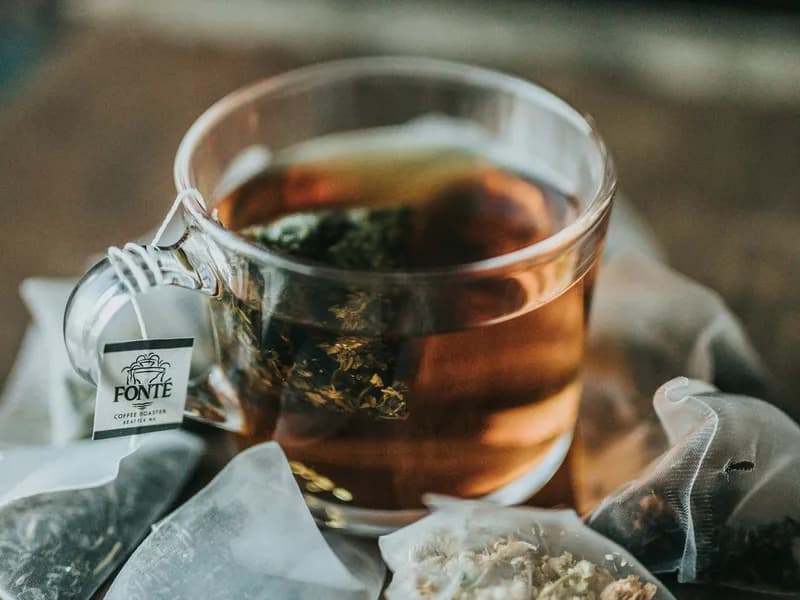
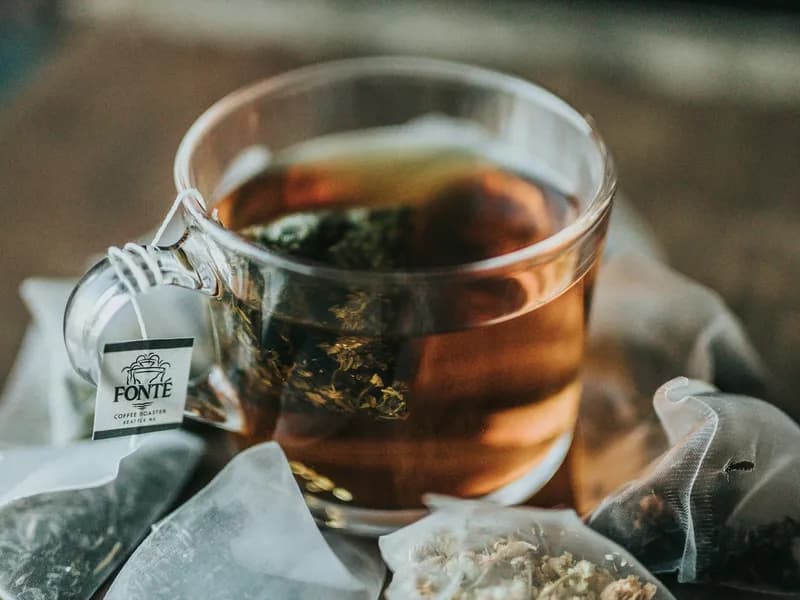
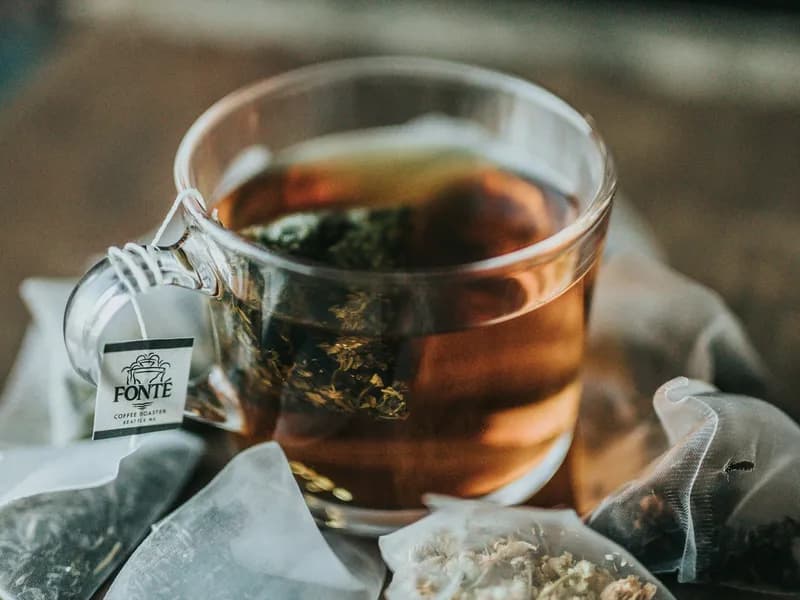
Chinese Green Tea
teahot

Chinese Green Tea

The most widely consumed tea in China, green tea is prized for its fresh, grassy flavor and numerous health benefits. Famous varieties include Longjing (Dragon Well) from Hangzhou, Biluochun from Suzhou, and Huangshan Maofeng from Anhui. Green tea undergoes minimal oxidation, preserving its delicate flavor and bright green color. It has been a cornerstone of Chinese culture for over 3,000 years.

Oolong Tea
teahot

Oolong Tea

A partially oxidized tea that falls between green and black tea, oolong offers a complex spectrum of flavors from floral and creamy to roasted and woody. Tieguanyin from Fujian and Da Hong Pao from the Wuyi Mountains are among the most celebrated oolongs. The traditional gongfu tea ceremony, especially popular in Fujian and Guangdong, is built around the careful preparation of oolong tea.

Pu-erh Tea
teahot

Pu-erh Tea

A unique fermented tea from Yunnan Province that improves with age, much like fine wine. Pu-erh undergoes a microbial fermentation process that gives it a deep, earthy, and smooth flavor. Aged pu-erh cakes can command thousands of dollars and are prized by collectors. It is traditionally valued for its digestive benefits and is often served after heavy meals.

Cities in This Region

Travel guide for Beijing
North China

Beijing

The capital of the People's Republic of China and one of the most populous cities in the world. Beijing is a treasure trove of ancient history, home to the Forbidden City, the Great Wall, and the Temple of Heaven. As the political and cultural heart of China, it seamlessly blends imperial grandeur with modern innovation.

Great WallForbidden City+4 more
Explore City

Frequently Asked Questions

What is the best time to visit North China?
The best time to visit North China is September through October, when the autumn skies are clear and the temperature is pleasant. Summers can be sweltering with occasional sandstorms, while winters are bitterly cold and dry. The golden autumn foliage around Beijing and the Great Wall makes this the most photogenic season.
What are the top attractions in North China?
North China boasts some of China's most impressive attractions including Great Wall of China, Forbidden City, Tiananmen Square, Temple of Heaven. The political and cultural heartland of China, North China is home to the capital Beijing and some of the nation's most iconic landmarks. Each site offers a unique window into the region's history, culture, and natural beauty.
Which cities should I visit in North China?
The key cities in North China include Beijing. Each city has its own distinct character and attractions, so try to visit more than one to get a well-rounded experience of the region. High-speed rail makes it easy to hop between cities.
How many days do I need for North China?
Three to four days is enough to explore the main highlights of North China. If the region's landscapes or culture captivate you, consider extending your stay to include lesser-known destinations.
What food is North China known for?
North China is known for hearty wheat-based cuisine including Peking duck, hand-pulled noodles, dumplings, and steamed buns. The robust flavours reflect the region's cold climate and agricultural traditions.
Is North China safe for tourists?
Yes, North China is safe for tourists. China as a whole has very low rates of violent crime, and the region is well-connected with modern infrastructure. Exercise standard precautions with your belongings in crowded tourist areas and use reputable transport options.

Plan Your Trip to North China

Find accommodation and plan activities in North China, China.