
Chinese Green Tea

Chinese Green Tea

teahot

绿茶

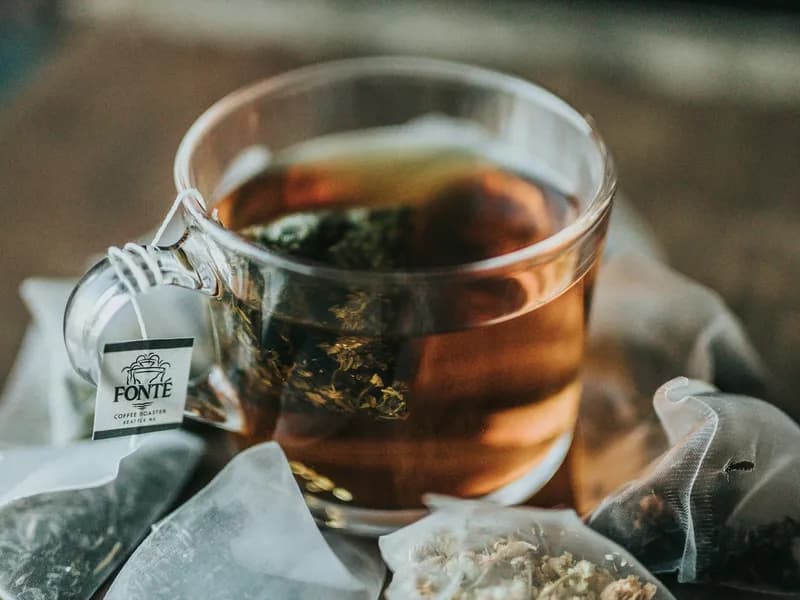
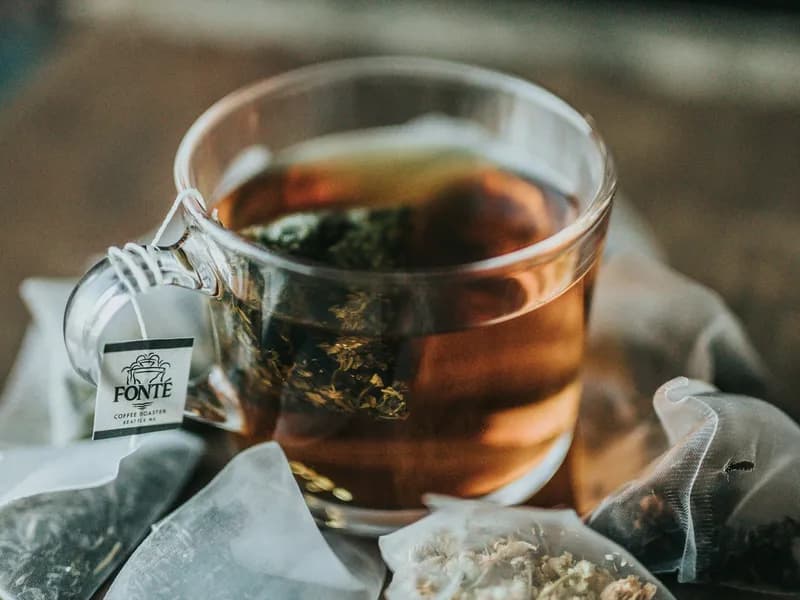
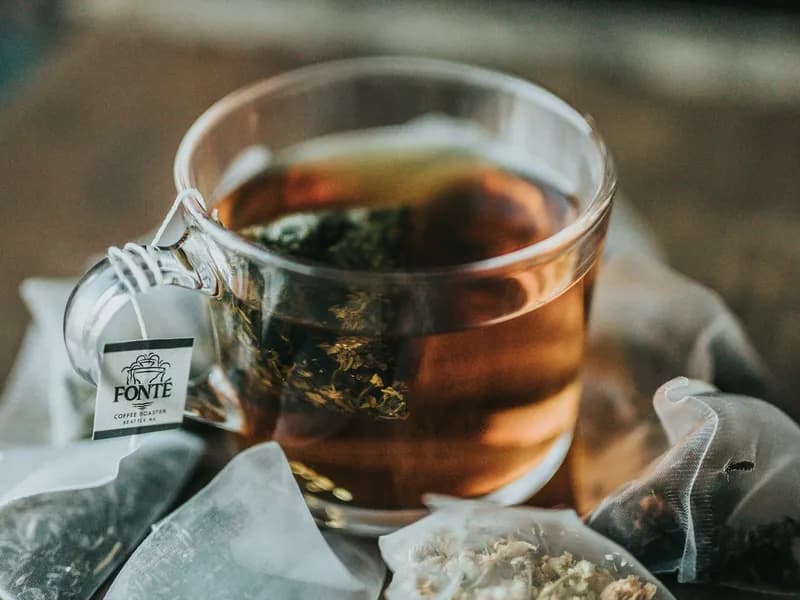
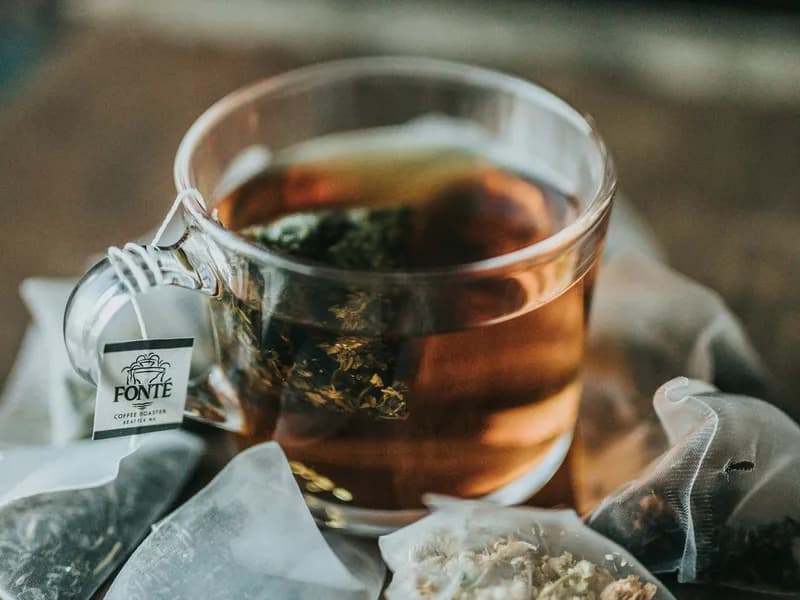
The most widely consumed tea in China, green tea is prized for its fresh, grassy flavor and numerous health benefits. Famous varieties include Longjing (Dragon Well) from Hangzhou, Biluochun from Suzhou, and Huangshan Maofeng from Anhui. Green tea undergoes minimal oxidation, preserving its delicate flavor and bright green color. It has been a cornerstone of Chinese culture for over 3,000 years.

Tags

teatraditionalhothealthydaily

History & Origin

Tea was discovered in China over 5,000 years ago and remains the cornerstone of Chinese drink culture. From the imperial tribute teas of the Tang Dynasty to today's gongfu tea ceremonies, tea has shaped social rituals, trade routes, and even warfare. China produces more varieties of tea than any other country, with six major categories each offering a distinct flavour profile.

How It's Prepared

The preparation of Chinese tea is a precise art. Water temperature, steeping time, and tea-to-water ratio all vary by variety — green teas require cooler water around 75-80 degrees Celsius, while pu-erh and oolong benefit from a full boil. The gongfu method uses small teapots and multiple short infusions to reveal evolving layers of flavour with each pour.

Where to Try Chinese Green Tea

Travel guide for Hangzhou
East China

Hangzhou

Famous for the breathtaking West Lake, a UNESCO World Heritage Site, Hangzhou has inspired poets and artists for over a thousand years. Marco Polo reportedly called it the finest and most splendid city in the world. Today it is also a tech hub, serving as the headquarters of Alibaba, while maintaining its reputation for tea plantations and silk production.

West LakeLingyin Temple+4 more
Explore City


Travel guide for Kunming
Southwest China

Kunming

Known as the Spring City for its year-round pleasant climate, Kunming is the capital of Yunnan Province and serves as a gateway to some of China's most diverse ethnic cultures and stunning natural wonders. From the otherworldly Stone Forest to the colorful flower markets and proximity to Southeast Asia, Kunming offers a unique blend of Chinese and minority cultures.

Stone ForestDianchi Lake+4 more
Explore City
Travel guide for Xiamen
East China

Xiamen

A charming coastal city on China's southeastern coast, Xiamen is known for its mild climate, clean beaches, and the picturesque pedestrian island of Gulangyu, a UNESCO World Heritage Site. The city offers a relaxed atmosphere with colonial-era architecture, vibrant seafood markets, and a thriving cafe culture. Its proximity to Taiwan gives it a unique cross-strait cultural character.

Gulangyu IslandNanputuo Temple+4 more
Explore City

Health Benefits

In Traditional Chinese Medicine, tea is valued for far more than its flavour. Green tea is considered cooling and rich in antioxidants that support cardiovascular health. Pu-erh aids digestion and is traditionally served after heavy meals. Chrysanthemum tea is believed to clear heat and improve eyesight. Modern research supports many of these traditional health claims, particularly around the polyphenols and catechins in green and white teas.

Frequently Asked Questions

What does Chinese Green Tea taste like?
The most widely consumed tea in China, green tea is prized for its fresh, grassy flavor and numerous health benefits. Famous varieties include Longjing (Dragon Well) from Hangzhou, Biluochun from Suzhou, and Huangshan Maofeng from Anhui.
What is Chinese Green Tea called in Chinese?
Chinese Green Tea is known as 绿茶 in Chinese. This is helpful to know when ordering at local shops or restaurants, especially outside major tourist areas.
Where can I find Chinese Green Tea in China?
Chinese Green Tea is available virtually everywhere in China, from dedicated tea houses to hotel lobbies and restaurants. For the best quality, visit a specialty tea shop where you can taste before buying. Regions known for producing this tea offer the freshest and most authentic versions.
Is Chinese Green Tea alcoholic?
No, Chinese Green Tea is a non-alcoholic drink and suitable for everyone. It does contain caffeine unless it is a herbal variety.
How much does Chinese Green Tea cost?
A pot or cup of Chinese Green Tea in a restaurant or tea house typically costs ¥15-50 ($2-7). High-quality loose-leaf versions for purchase can range from ¥50 to several hundred yuan depending on the grade and origin.
Are there health benefits to drinking Chinese Green Tea?
In Traditional Chinese Medicine, tea is valued for far more than its flavour. Green tea is considered cooling and rich in antioxidants that support cardiovascular health.

More Drinks to Try

Oolong Tea
teahot

Oolong Tea

A partially oxidized tea that falls between green and black tea, oolong offers a complex spectrum of flavors from floral and creamy to roasted and woody. Tieguanyin from Fujian and Da Hong Pao from the Wuyi Mountains are among the most celebrated oolongs. The traditional gongfu tea ceremony, especially popular in Fujian and Guangdong, is built around the careful preparation of oolong tea.

Pu-erh Tea
teahot

Pu-erh Tea

A unique fermented tea from Yunnan Province that improves with age, much like fine wine. Pu-erh undergoes a microbial fermentation process that gives it a deep, earthy, and smooth flavor. Aged pu-erh cakes can command thousands of dollars and are prized by collectors. It is traditionally valued for its digestive benefits and is often served after heavy meals.

Jasmine Tea
teahot

Jasmine Tea

Green tea scented with fresh jasmine blossoms, creating an intoxicatingly fragrant and smooth drinking experience. The tea leaves are layered with jasmine flowers multiple times to absorb their aroma. Particularly popular in northern China and often the complimentary tea served in restaurants, jasmine tea is beloved for its calming, floral sweetness and refreshing aftertaste.

Explore More Drinks

Discover the full range of traditional and modern drinks across China.