China Drinks Guide

Discover traditional and modern drinks in China, from ancient teas to trendy bubble tea.

Chinese Green Tea
teahot

Chinese Green Tea

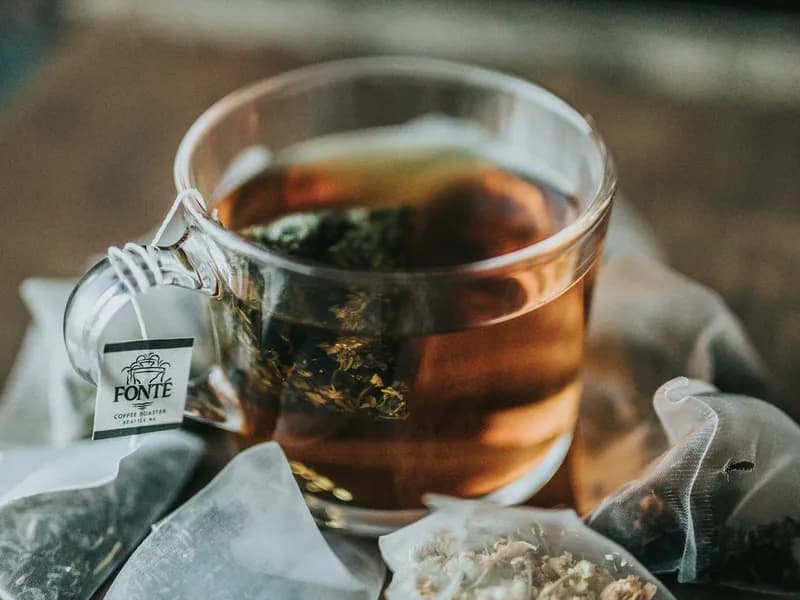
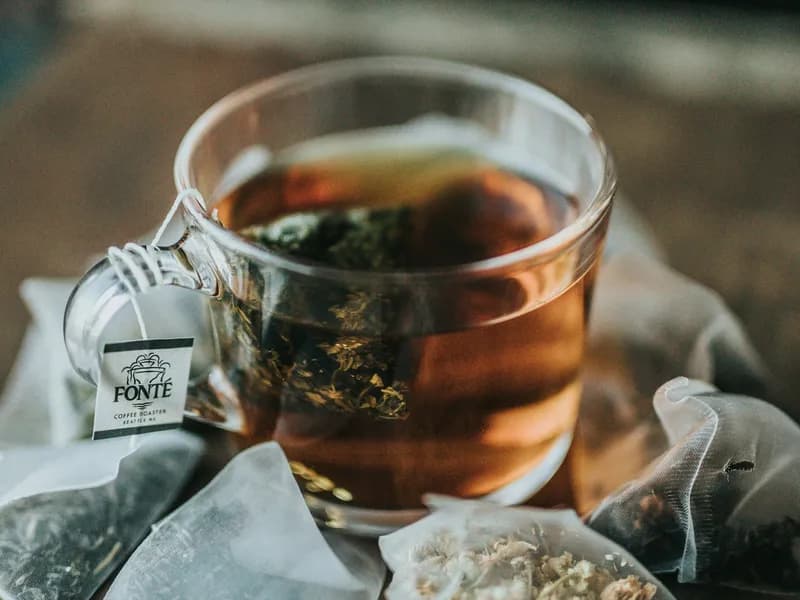
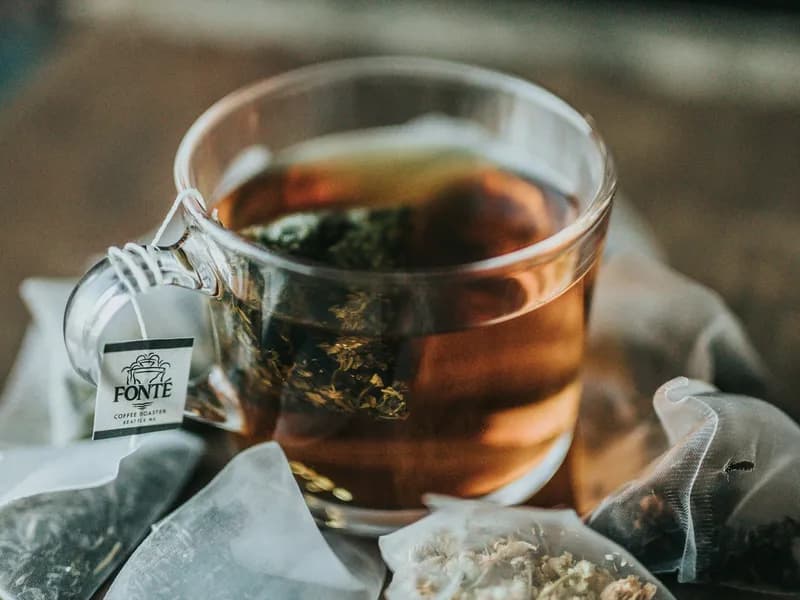
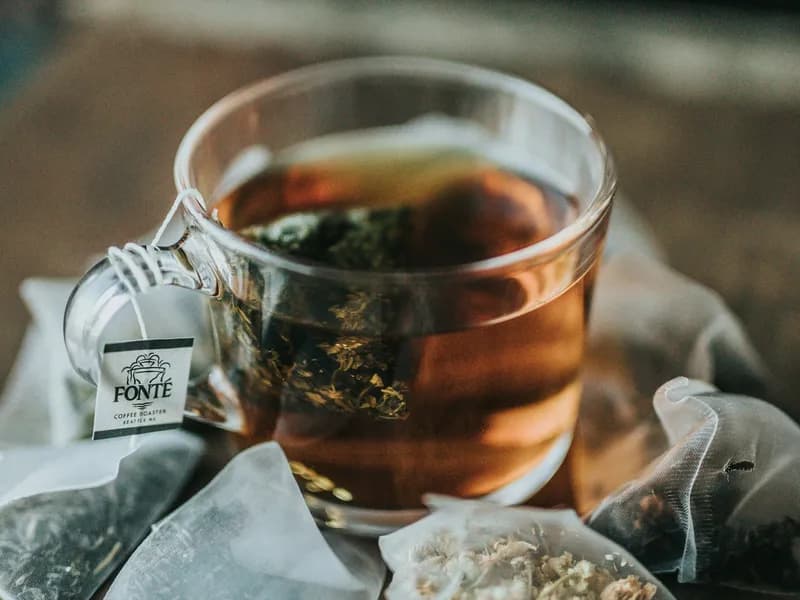
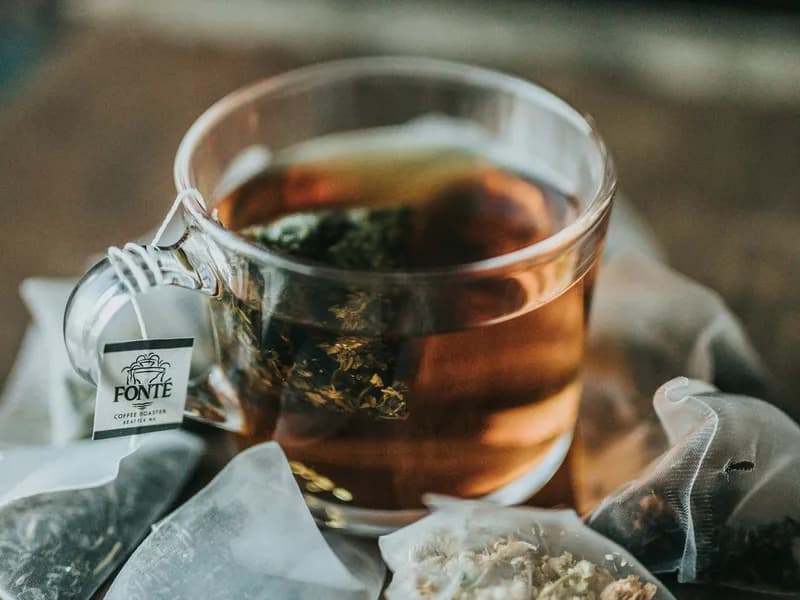
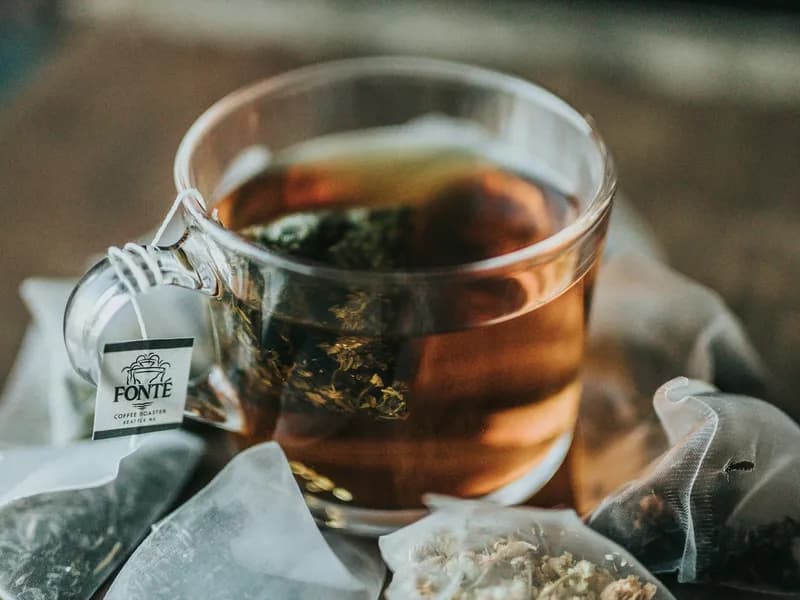
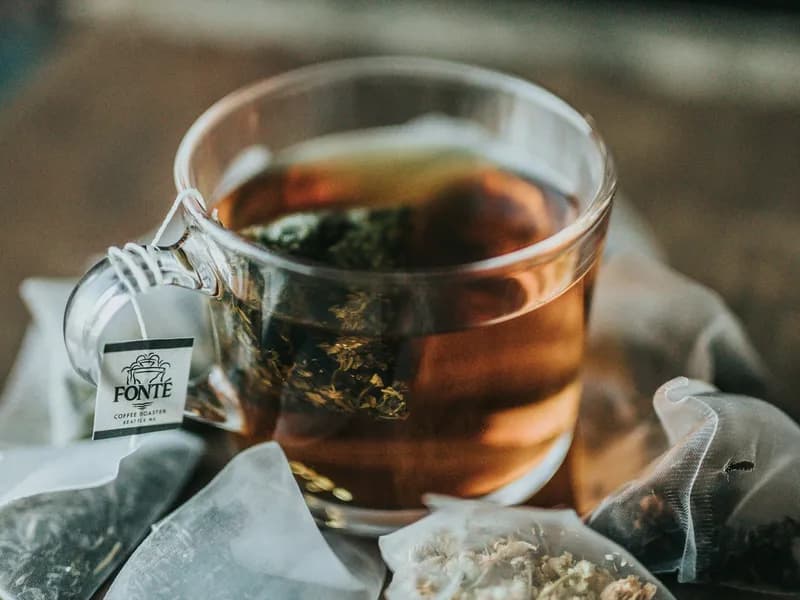
The most widely consumed tea in China, green tea is prized for its fresh, grassy flavor and numerous health benefits. Famous varieties include Longjing (Dragon Well) from Hangzhou, Biluochun from Suzhou, and Huangshan Maofeng from Anhui. Green tea undergoes minimal oxidation, preserving its delicate flavor and bright green color. It has been a cornerstone of Chinese culture for over 3,000 years.
Oolong Tea
teahot

Oolong Tea

A partially oxidized tea that falls between green and black tea, oolong offers a complex spectrum of flavors from floral and creamy to roasted and woody. Tieguanyin from Fujian and Da Hong Pao from the Wuyi Mountains are among the most celebrated oolongs. The traditional gongfu tea ceremony, especially popular in Fujian and Guangdong, is built around the careful preparation of oolong tea.

Pu-erh Tea
teahot

Pu-erh Tea

A unique fermented tea from Yunnan Province that improves with age, much like fine wine. Pu-erh undergoes a microbial fermentation process that gives it a deep, earthy, and smooth flavor. Aged pu-erh cakes can command thousands of dollars and are prized by collectors. It is traditionally valued for its digestive benefits and is often served after heavy meals.

Jasmine Tea
teahot

Jasmine Tea

Green tea scented with fresh jasmine blossoms, creating an intoxicatingly fragrant and smooth drinking experience. The tea leaves are layered with jasmine flowers multiple times to absorb their aroma. Particularly popular in northern China and often the complimentary tea served in restaurants, jasmine tea is beloved for its calming, floral sweetness and refreshing aftertaste.

Chrysanthemum Tea
teahot

Chrysanthemum Tea

A caffeine-free herbal infusion made from dried chrysanthemum flowers, producing a golden, mildly sweet brew with floral notes. In Traditional Chinese Medicine, chrysanthemum tea is believed to cool the body, improve vision, and reduce inflammation. Often sweetened with rock sugar or combined with goji berries, it is a soothing everyday drink enjoyed throughout China.

Baijiu
spiritalcoholic

Baijiu

China's national spirit and the most consumed liquor in the world by volume, baijiu is a potent clear spirit distilled from sorghum, wheat, rice, or other grains. With an alcohol content typically between 40-60%, it has an intensely aromatic and complex flavor profile. Baijiu is essential at Chinese banquets and business dinners, where toasting rituals play an important social role. Famous brands include Moutai and Wuliangye.

Tsingtao Beer
beeralcoholic

Tsingtao Beer

China's most famous beer brand, brewed in the coastal city of Qingdao since 1903 when the city was under German administration. This crisp, refreshing lager uses spring water from Laoshan Mountain and follows German brewing traditions. Tsingtao is exported to over 100 countries and is the beer of choice at Chinese restaurants worldwide. The annual Qingdao Beer Festival is Asia's largest.

Bubble Tea (Boba)
milk-teacold

Bubble Tea (Boba)

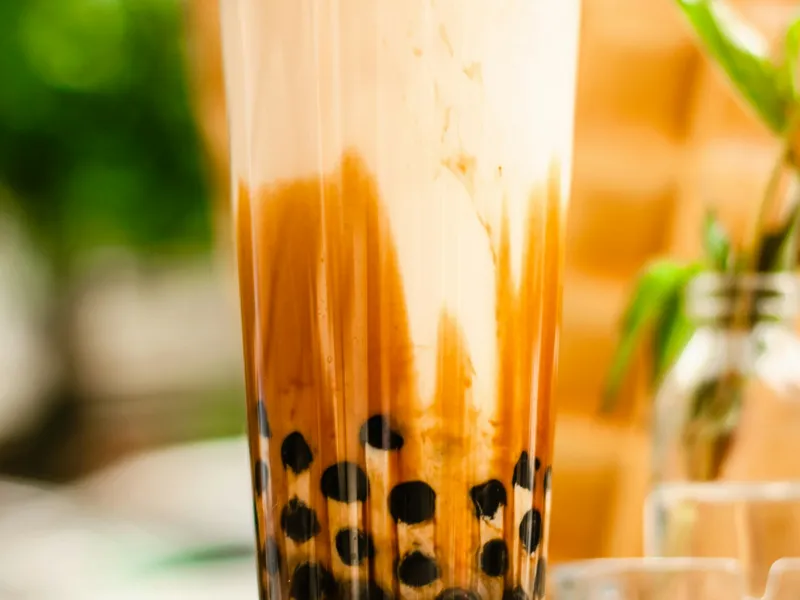
A wildly popular tea-based drink featuring chewy tapioca pearls (boba) at the bottom, sipped through an oversized straw. Originally from Taiwan, bubble tea has taken mainland China by storm with countless variations including fruit teas, cheese-foam toppings, brown sugar tiger milk tea, and taro flavors. Modern bubble tea shops are found on virtually every commercial street in Chinese cities.

Soy Milk
non-alcoholichot

Soy Milk

A traditional Chinese breakfast drink made from ground soybeans and water, served either sweetened or savory. Fresh, hot soy milk paired with fried dough sticks (youtiao) is the quintessential Chinese breakfast combination. Rich in protein and naturally dairy-free, soy milk has been a staple of the Chinese diet for over 2,000 years and is freshly made at breakfast stalls each morning.

Sour Plum Juice
non-alcoholiccold

Sour Plum Juice

A sweet-tart chilled drink made from smoked plums, dried hawthorn berries, osmanthus flowers, and rock sugar. This traditional summer refreshment dates back to the Qing Dynasty and is the perfect thirst-quencher in China's hot summers. Often sold from street vendors in Beijing's hutongs and widely available bottled. Its tangy, slightly smoky flavor is uniquely refreshing.

Rice Wine (Huangjiu)
winealcoholic

Rice Wine (Huangjiu)

One of the oldest alcoholic beverages in the world, Chinese rice wine is brewed from glutinous rice and wheat-based yeast. Shaoxing wine from Zhejiang Province is the most famous variety, with a rich amber color and complex umami-sweet flavor. Rice wine is both enjoyed as a drink, often warmed, and used extensively as a cooking ingredient in Chinese cuisine. It typically has an alcohol content of 14-20%.

Matcha Latte
milk-teahot

Matcha Latte

A modern cafe favorite combining finely ground green tea powder with steamed milk for a creamy, earthy, and slightly sweet beverage. While matcha originated in China before being popularized in Japan, it has made a strong comeback in Chinese cafe culture. Available hot or iced, matcha lattes are now a staple at coffee chains and independent cafes across China's major cities.

Osmanthus Wine
winealcoholic

Osmanthus Wine

A fragrant, sweet wine infused with osmanthus flowers, traditionally associated with the Mid-Autumn Festival. This delicate golden wine has a floral aroma and gentle sweetness that makes it approachable for those unaccustomed to Chinese spirits. Popular in the Guilin and Suzhou regions where osmanthus trees bloom abundantly, it is often enjoyed chilled as a dessert wine or aperitif.

Wang Laoji Herbal Tea
non-alcoholiccold

Wang Laoji Herbal Tea

China's most popular herbal tea drink, sold in its iconic red can. Wang Laoji is a traditional Cantonese herbal tea blend believed to reduce internal heat according to Chinese medicine principles. Made from a proprietary blend of herbs including honeysuckle, chrysanthemum, and licorice, it has a mildly sweet, slightly bitter taste. Often consumed with spicy food like hot pot to balance the heat.