Chengdu cityscape

Chengdu

Southwest China

Quick Facts

Population

20.9 million

Province

Sichuan

Region

Southwest China

Best Time

Mar - May, Sep - Nov

Language

Mandarin Chinese

Currency

Chinese Yuan (CNY)

Overview

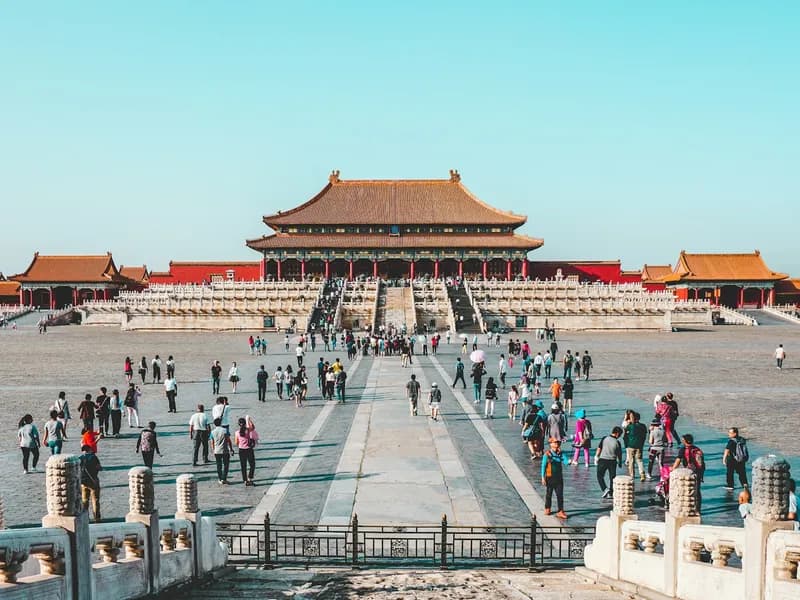
The laid-back capital of Sichuan Province is famous worldwide for its giant panda breeding centers and fiery Sichuan cuisine. Chengdu is known as the land of abundance, offering a slower pace of life with its teahouse culture, mahjong traditions, and proximity to stunning natural landscapes including Jiuzhaigou Valley.

pandassichuan cuisinerelaxedsouthwest china

Top Attractions in Chengdu

1

Giant Panda Breeding Research Base

Giant Panda Breeding Research Base is one of Chengdu's most celebrated attractions, drawing visitors from across China and around the world. It offers a fascinating glimpse into the region's rich cultural heritage and makes a rewarding stop on any Chengdu itinerary.

2

Jinli Ancient Street

A restored pedestrian street showcasing traditional Sichuan architecture, local snacks, teahouses, and handicraft shops. It comes alive at night with red lanterns and the aroma of Sichuan street food.

3

Wuhou Shrine

Wuhou Shrine is one of Chengdu's most celebrated attractions, drawing visitors from across China and around the world. It offers a fascinating glimpse into the region's rich cultural heritage and makes a rewarding stop on any Chengdu itinerary.

4

Leshan Giant Buddha

Leshan Giant Buddha is one of Chengdu's most celebrated attractions, drawing visitors from across China and around the world. It offers a fascinating glimpse into the region's rich cultural heritage and makes a rewarding stop on any Chengdu itinerary.

5

Mount Qingcheng

Mount Qingcheng is one of Chengdu's most celebrated attractions, drawing visitors from across China and around the world. It offers a fascinating glimpse into the region's rich cultural heritage and makes a rewarding stop on any Chengdu itinerary.

Getting to Chengdu

Chengdu enjoys excellent transport links to Chongqing and Beijing. High-speed rail is usually the most comfortable and time-efficient option for distances under 1,000 km, while domestic flights serve longer routes with frequent, affordable schedules. Booking through Trip.com or the 12306 app is recommended for train tickets.

ChengduChongqing

Details
ModeDurationPrice
High-Speed Rail1-1.5 hours$15-$30
Flight1 hour$40-$100
Bus3-4 hours$12-$20

BeijingChengdu

Details
ModeDurationPrice
High-Speed Rail7-8 hours$120-$200
Flight2.5 hours$80-$250
Overnight Sleeper Train24-28 hours$50-$100

Where to Stay in Chengdu

Budget

Budget: Hostels and budget hotels from $15-40/night

Mid-Range

Mid-Range: 3-4 star hotels from $50-120/night

Luxury

Luxury: 5-star hotels and resorts from $150+/night

Compare prices and book your stay in Chengdu with trusted partners.

Food & Drink in Chengdu

Chengdu is a food paradise famous for bold, spicy Sichuan flavours. From fiery hot pot to numbing mapo tofu, the local cuisine will excite any adventurous eater.

Regional Dishes to Try

Kung Pao Chicken
main-dish$

Kung Pao Chicken

Spice: mediumBudget

A classic Sichuan stir-fry dish featuring tender diced chicken, roasted peanuts, dried chili peppers, and Sichuan peppercorns. The sauce strikes a perfect balance of spicy, sweet, and tangy flavors. Named after a Qing Dynasty official, this dish has become one of China's most internationally recognized recipes.
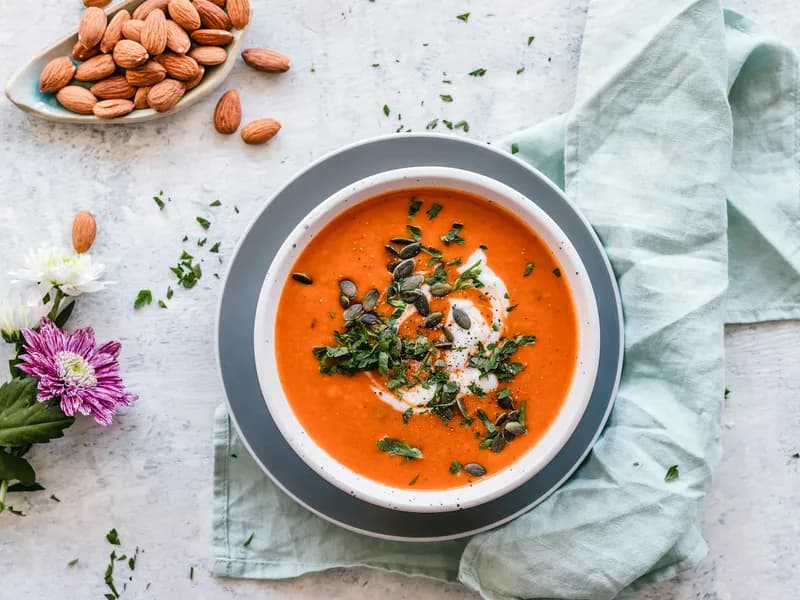
Mapo Tofu
main-dish$

Mapo Tofu

Spice: hotBudget

A fiery Sichuan classic that combines silky soft tofu cubes with a bold sauce of fermented bean paste, chili oil, Sichuan peppercorns, and minced pork. The signature numbing-spicy flavor, known as mala, creates a uniquely addictive taste sensation. Invented in the 1860s by a pock-marked old woman in Chengdu, it remains a beloved comfort food across China.

Hot Pot
main-dish$$

Hot Pot

Spice: variesMid-range

A communal dining experience where diners cook a variety of fresh ingredients in a simmering pot of flavored broth at the center of the table. The Sichuan-style hot pot features a fiery, red chili oil broth packed with peppercorns, while other regions offer milder broths. Split pots allow diners to enjoy both spicy and mild options simultaneously.

Dan Dan Noodles
noodles$

Dan Dan Noodles

Spice: hotBudget

A spicy Sichuan street food classic featuring thin wheat noodles served in a savory, numbing sauce of chili oil, Sichuan pepper, minced pork, and preserved mustard greens. Named after the carrying pole that street vendors used to transport the noodle pots through the streets of Chengdu, dan dan noodles deliver layers of heat, umami, and texture in every slurp.

Kung Pao Shrimp
main-dish$$

Kung Pao Shrimp

Spice: mediumMid-range

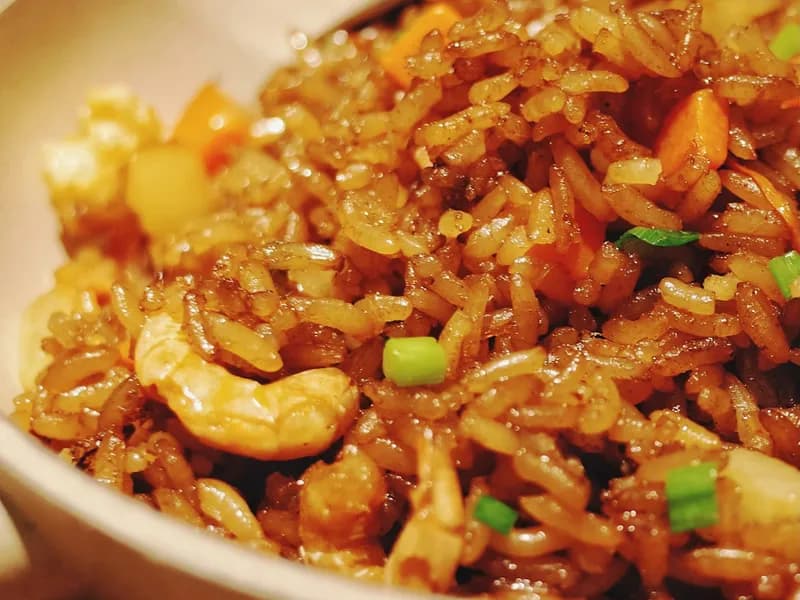
A seafood variation of the classic Kung Pao Chicken, this dish features plump shrimp wok-tossed with roasted peanuts, dried chili peppers, and Sichuan peppercorns in a glossy sweet-savory-spicy sauce. The shrimp brings a tender, slightly sweet element that pairs beautifully with the bold Sichuan flavors. Popular in coastal cities where fresh seafood is abundant.

Drinks to Discover

Chinese Green Tea
teahot

Chinese Green Tea

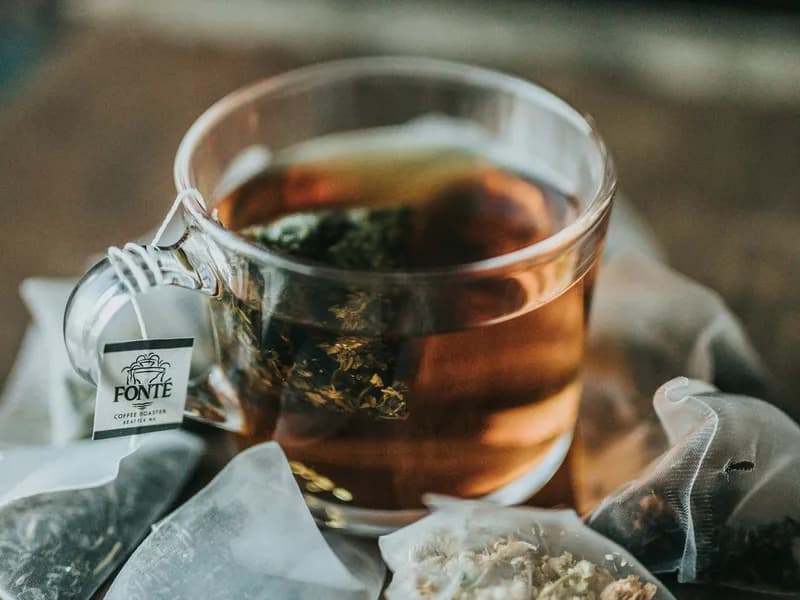
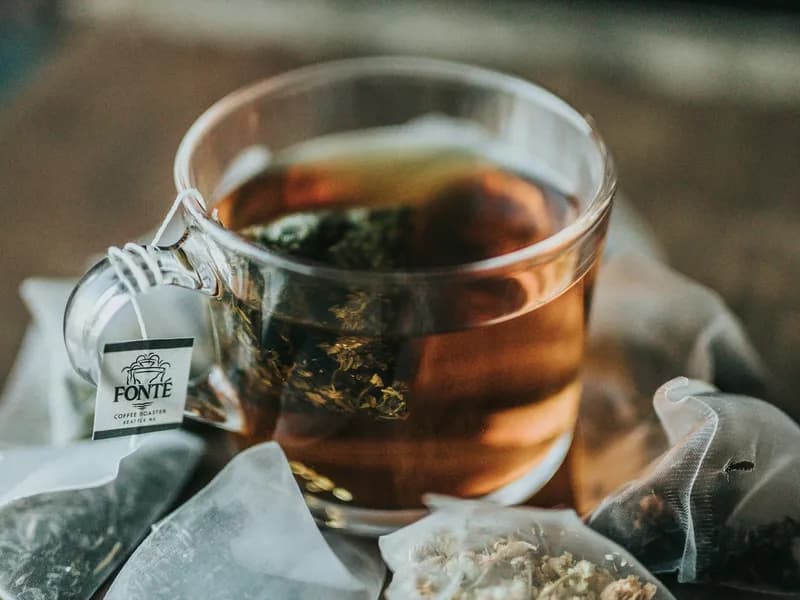
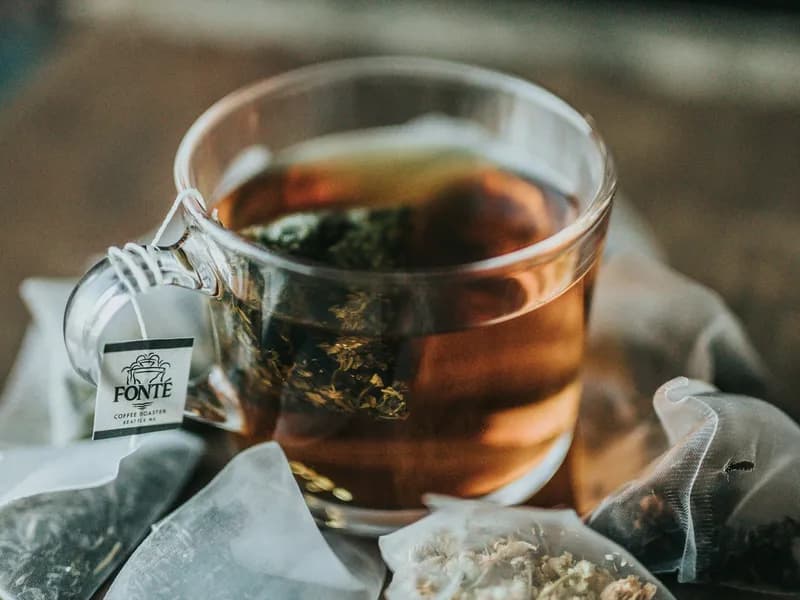
The most widely consumed tea in China, green tea is prized for its fresh, grassy flavor and numerous health benefits. Famous varieties include Longjing (Dragon Well) from Hangzhou, Biluochun from Suzhou, and Huangshan Maofeng from Anhui. Green tea undergoes minimal oxidation, preserving its delicate flavor and bright green color. It has been a cornerstone of Chinese culture for over 3,000 years.

Oolong Tea
teahot

Oolong Tea

A partially oxidized tea that falls between green and black tea, oolong offers a complex spectrum of flavors from floral and creamy to roasted and woody. Tieguanyin from Fujian and Da Hong Pao from the Wuyi Mountains are among the most celebrated oolongs. The traditional gongfu tea ceremony, especially popular in Fujian and Guangdong, is built around the careful preparation of oolong tea.

Pu-erh Tea
teahot

Pu-erh Tea

A unique fermented tea from Yunnan Province that improves with age, much like fine wine. Pu-erh undergoes a microbial fermentation process that gives it a deep, earthy, and smooth flavor. Aged pu-erh cakes can command thousands of dollars and are prized by collectors. It is traditionally valued for its digestive benefits and is often served after heavy meals.

Best Time to Visit Chengdu

March to May and September to November are the best months for Southwest China. The shoulder seasons offer mild weather, fewer crowds, and clear skies over Yunnan's mountains. Summer brings monsoon rains, particularly heavy in Sichuan and Chongqing, while winter is cool but dry at lower elevations.

Recommended months

Mar - May, Sep - Nov

Peak season

Higher prices and crowds, but the best weather and conditions for sightseeing.

Off season

Lower prices and fewer tourists, but weather may be less favourable for outdoor activities.

Frequently Asked Questions

What is the best time to visit Chengdu?
March to May and September to November are the best months for Southwest China. The shoulder seasons offer mild weather, fewer crowds, and clear skies over Yunnan's mountains. Summer brings monsoon rains, particularly heavy in Sichuan and Chongqing, while winter is cool but dry at lower elevations.
How do I get to Chengdu?
Chengdu is well served by China's extensive high-speed rail network and domestic flights. Most major Chinese cities have direct high-speed train or flight connections to Chengdu. The city's main railway station and airport both offer convenient public transport links to the city centre. Booking through Trip.com or the 12306 app is recommended.
What is Chengdu famous for?
Chengdu is renowned for its iconic attractions including Giant Panda Breeding Research Base, Jinli Ancient Street, Wuhou Shrine, Leshan Giant Buddha. The laid-back capital of Sichuan Province is famous worldwide for its giant panda breeding centers and fiery Sichuan cuisine. Chengdu is known as the land of abundance, offering a slower pace of life with its teahouse culture, mahjong traditions, and proximity to stunning natural landscapes including Jiuzhaigou Valley.
Is Chengdu safe for tourists?
Yes, Chengdu is generally very safe for tourists. China has low rates of violent crime, and cities are well-monitored. Exercise normal precautions with your belongings in crowded tourist areas and be aware of common scams like the tea house invitation. Use official taxis or the Didi ride-hailing app to avoid transport scams.
What food should I try in Chengdu?
Chengdu is a food lover's paradise famous for its bold, spicy Sichuan cuisine. Must-try dishes include hot pot, mapo tofu, kung pao chicken, and dan dan noodles. Don't miss the street food scene — local snacks are affordable and delicious.
How many days should I spend in Chengdu?
Two to three days is usually enough to see Chengdu's main attractions at a comfortable pace. If you enjoy exploring local neighbourhoods, food markets, and day trips, consider adding an extra day to your itinerary.
What language is spoken in Chengdu?
Mandarin Chinese (Putonghua) is the official language and is spoken everywhere in Chengdu. English is limited outside international hotels and major tourist sites, so a translation app and a few basic Mandarin phrases will be very helpful.
What is the population of Chengdu?
Chengdu has a population of approximately 20.9 million, making it one of the largest cities in the world. The metropolitan area may be even larger when surrounding districts are included.
Travel guide for Chongqing
Southwest China

Chongqing

Built dramatically across steep hills at the confluence of the Yangtze and Jialing rivers, Chongqing is one of China's most visually striking cities. Famous for its mouth-numbing hot pot, neon-lit night skyline, and serving as the starting point for Yangtze River cruises through the Three Gorges, this mountainous megacity offers an unforgettable urban experience unlike anywhere else in China.

Yangtze River CruiseHongya Cave+4 more
Explore City
Travel guide for Kunming
Southwest China

Kunming

Known as the Spring City for its year-round pleasant climate, Kunming is the capital of Yunnan Province and serves as a gateway to some of China's most diverse ethnic cultures and stunning natural wonders. From the otherworldly Stone Forest to the colorful flower markets and proximity to Southeast Asia, Kunming offers a unique blend of Chinese and minority cultures.

Stone ForestDianchi Lake+4 more
Explore City
Travel guide for Lijiang
Southwest China

Lijiang

A UNESCO World Heritage Site, Lijiang's Old Town is a maze of cobblestone streets, traditional Naxi architecture, and flowing canals set against the majestic backdrop of Jade Dragon Snow Mountain. This ancient town in northwest Yunnan Province is home to the Naxi people and their unique Dongba culture, offering visitors an enchanting step back in time.

Lijiang Old TownJade Dragon Snow Mountain+4 more
Explore City

Plan Your Trip to Chengdu

Find hotels, activities, and travel tips for Chengdu in China.