Beijing cityscape

Beijing

North China

Quick Facts

Population

21.5 million

Province

Beijing

Region

North China

Best Time

Sep - Oct

Language

Mandarin Chinese

Currency

Chinese Yuan (CNY)

Overview

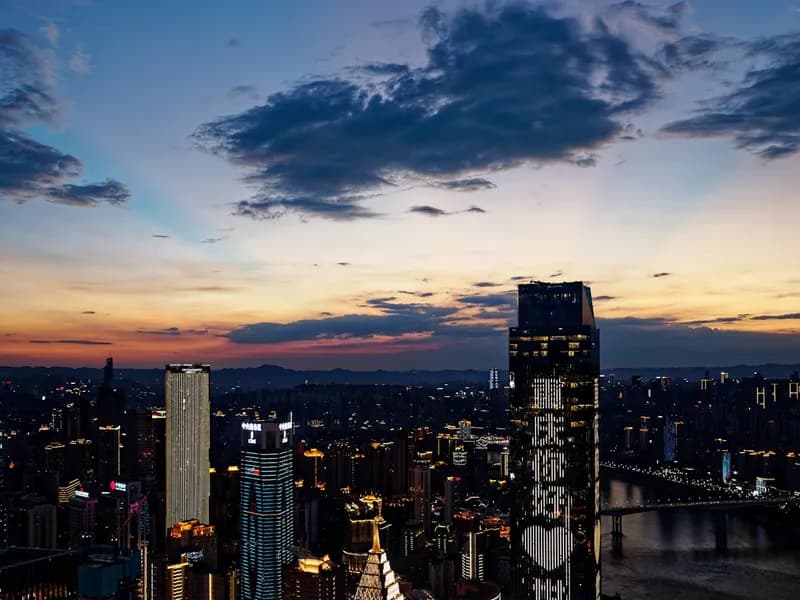
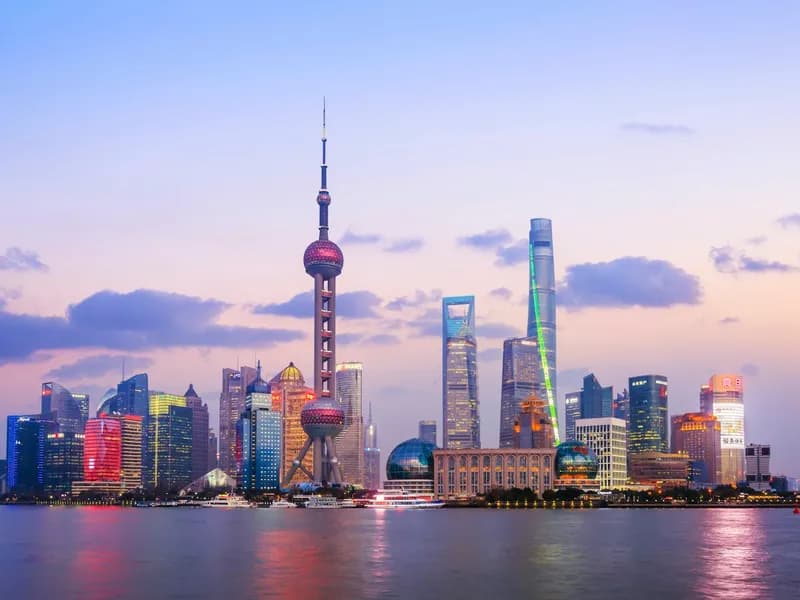
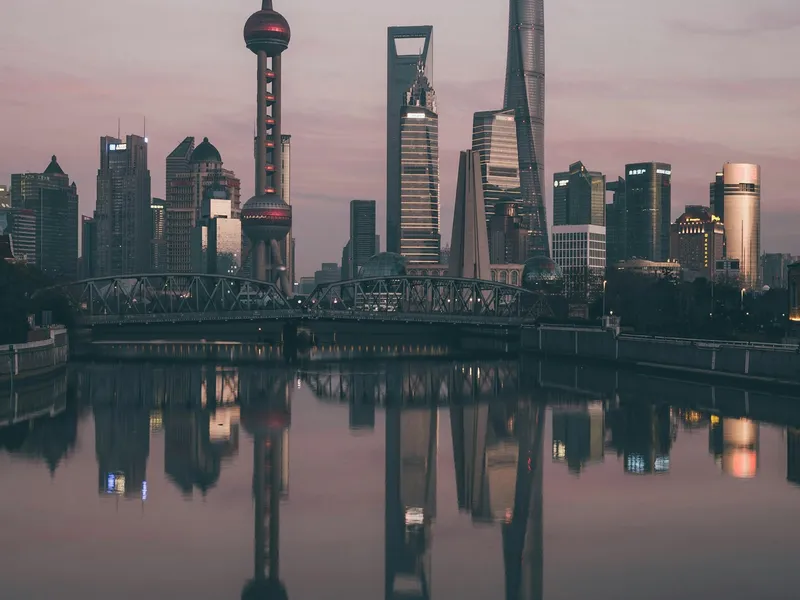
The capital of the People's Republic of China and one of the most populous cities in the world. Beijing is a treasure trove of ancient history, home to the Forbidden City, the Great Wall, and the Temple of Heaven. As the political and cultural heart of China, it seamlessly blends imperial grandeur with modern innovation.

capitalhistoricalculturalnorth china

Top Attractions in Beijing

1

Great Wall

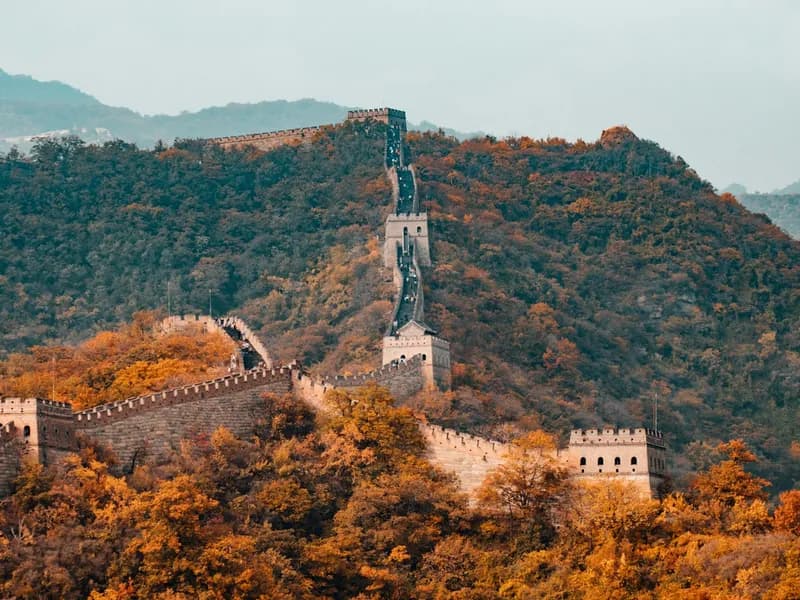
One of the Seven Wonders of the World, the Great Wall stretches across northern China and is best accessed from Beijing via the Badaling, Mutianyu, or Jinshanling sections. Each section offers a different experience, from restored walkways to wild, unrestored ruins surrounded by dramatic mountain scenery.

2

Forbidden City

The world's largest palace complex, the Forbidden City served as the imperial residence for 24 emperors across the Ming and Qing dynasties. Its 980 surviving buildings house an extraordinary collection of art and artefacts spanning 600 years of Chinese history.

3

Tiananmen Square

The symbolic heart of modern China and one of the largest public squares in the world. Flanked by the National Museum, the Great Hall of the People, and Mao's Mausoleum, it is a powerful starting point for exploring Beijing's political and cultural landmarks.

4

Summer Palace

An imperial garden masterpiece covering 2.9 square kilometres, the Summer Palace combines the grandeur of imperial architecture with the beauty of Kunming Lake and Longevity Hill. A UNESCO World Heritage Site, it was the preferred summer retreat of the Qing emperors.

5

Temple of Heaven

A masterpiece of Ming Dynasty architecture where emperors performed annual ceremonies to pray for good harvests. The iconic circular Hall of Prayer for Good Harvests is one of the most photographed structures in Beijing.

6

798 Art District

A thriving contemporary art hub housed in repurposed military factory buildings from the 1950s. Galleries, studios, cafes, and independent shops make this the creative heart of Beijing's modern art scene.

Getting to Beijing

Beijing enjoys excellent transport links to Shanghai and Xi'an and Chengdu. High-speed rail is usually the most comfortable and time-efficient option for distances under 1,000 km, while domestic flights serve longer routes with frequent, affordable schedules. Booking through Trip.com or the 12306 app is recommended for train tickets.

BeijingShanghai

Details
ModeDurationPrice
High-Speed Rail4.5 hours$80-$150
Flight2 hours$60-$200
Overnight Sleeper Train12 hours$30-$70

BeijingXi'an

Details
ModeDurationPrice
High-Speed Rail4.5-6 hours$75-$130
Flight2 hours$50-$180
Overnight Sleeper Train11-12 hours$25-$60

BeijingChengdu

Details
ModeDurationPrice
High-Speed Rail7-8 hours$120-$200
Flight2.5 hours$80-$250
Overnight Sleeper Train24-28 hours$50-$100

Where to Stay in Beijing

Budget

Budget: Hostels and budget hotels from $15-40/night

Mid-Range

Mid-Range: 3-4 star hotels from $50-120/night

Luxury

Luxury: 5-star hotels and resorts from $150+/night

Compare prices and book your stay in Beijing with trusted partners.

Food & Drink in Beijing

Beijing's culinary scene revolves around hearty northern staples like dumplings, hand-pulled noodles, and the world-famous Peking duck.

Regional Dishes to Try

Peking Duck
main-dish$$$

Peking Duck

Spice: nonePremium

Beijing's most famous culinary masterpiece, Peking Duck features a whole duck roasted until the skin is perfectly thin and crispy while the meat remains succulent. Traditionally served sliced at the table, it is wrapped in thin pancakes with hoisin sauce, scallions, and cucumber. The art of preparing this dish has been refined for over 600 years.
Jiaozi (Dumplings)
snack$

Jiaozi (Dumplings)

Spice: noneBudget

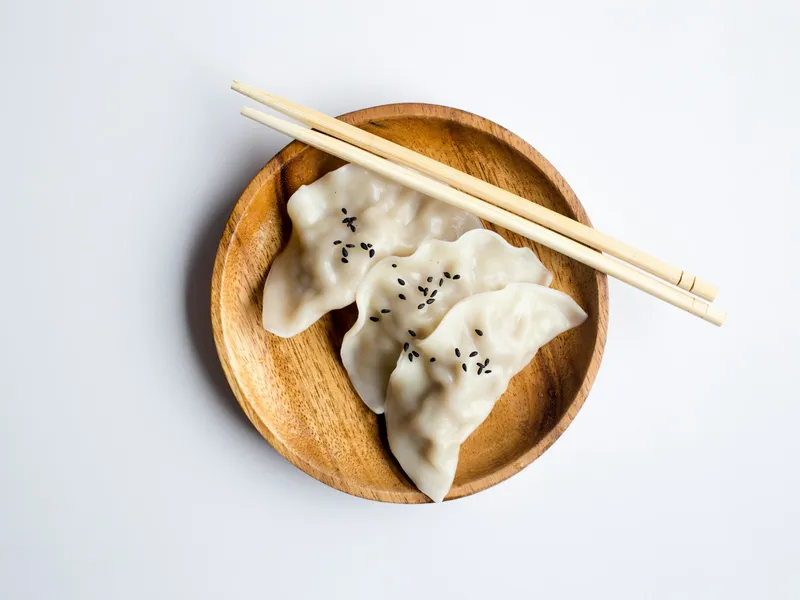
China's most beloved comfort food, jiaozi are crescent-shaped dumplings filled with seasoned minced pork and vegetables, then boiled, steamed, or pan-fried. Making dumplings together is a cherished family tradition, especially during Chinese New Year when they symbolize wealth due to their resemblance to ancient gold ingots. Served with a dipping sauce of vinegar, soy sauce, and chili oil.

Tanghulu (Candied Fruit)
dessert$

Tanghulu (Candied Fruit)

Spice: noneBudget

A beloved northern Chinese street snack of fruits skewered on bamboo sticks and coated in a crackly shell of hardened sugar syrup. Traditional tanghulu uses hawthorn berries, but modern versions feature strawberries, grapes, tangerines, and other fruits. The satisfying crack of the sugar shell giving way to tart fruit inside has made this treat an enduring winter favorite.

Scallion Pancakes
snack$

Scallion Pancakes

Spice: noneBudget

Flaky, crispy flatbreads made by rolling and folding dough with rendered lard or oil and chopped scallions to create dozens of thin, shatteringly crisp layers. Pan-fried on a griddle until golden and fragrant, scallion pancakes are one of China's most popular street breakfast items. The mesmerizing spiral layers and savory aroma make them irresistible at any time of day.

Drinks to Discover

Chinese Green Tea
teahot

Chinese Green Tea

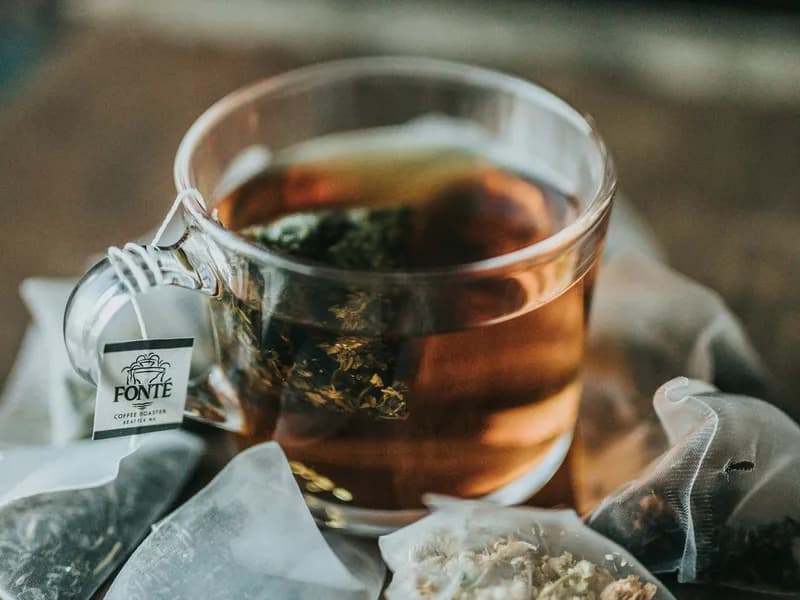
The most widely consumed tea in China, green tea is prized for its fresh, grassy flavor and numerous health benefits. Famous varieties include Longjing (Dragon Well) from Hangzhou, Biluochun from Suzhou, and Huangshan Maofeng from Anhui. Green tea undergoes minimal oxidation, preserving its delicate flavor and bright green color. It has been a cornerstone of Chinese culture for over 3,000 years.

Oolong Tea
teahot

Oolong Tea

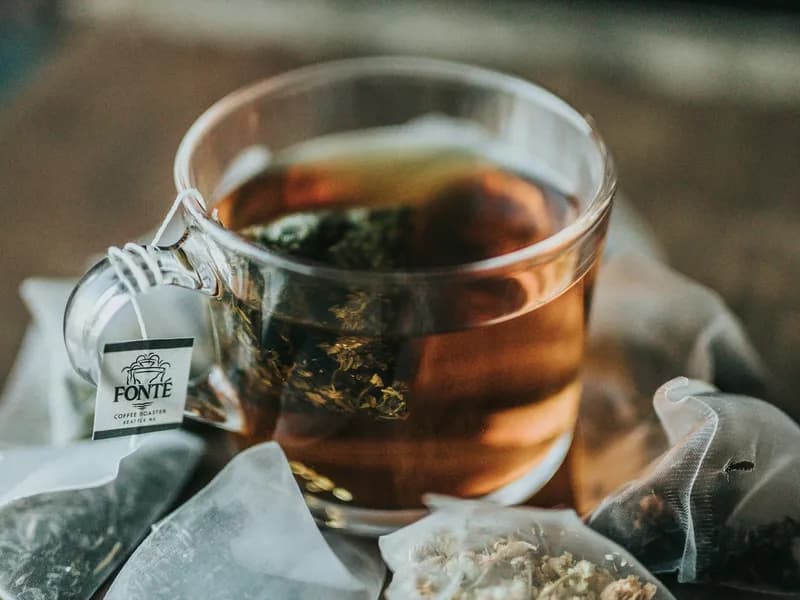
A partially oxidized tea that falls between green and black tea, oolong offers a complex spectrum of flavors from floral and creamy to roasted and woody. Tieguanyin from Fujian and Da Hong Pao from the Wuyi Mountains are among the most celebrated oolongs. The traditional gongfu tea ceremony, especially popular in Fujian and Guangdong, is built around the careful preparation of oolong tea.

Pu-erh Tea
teahot

Pu-erh Tea

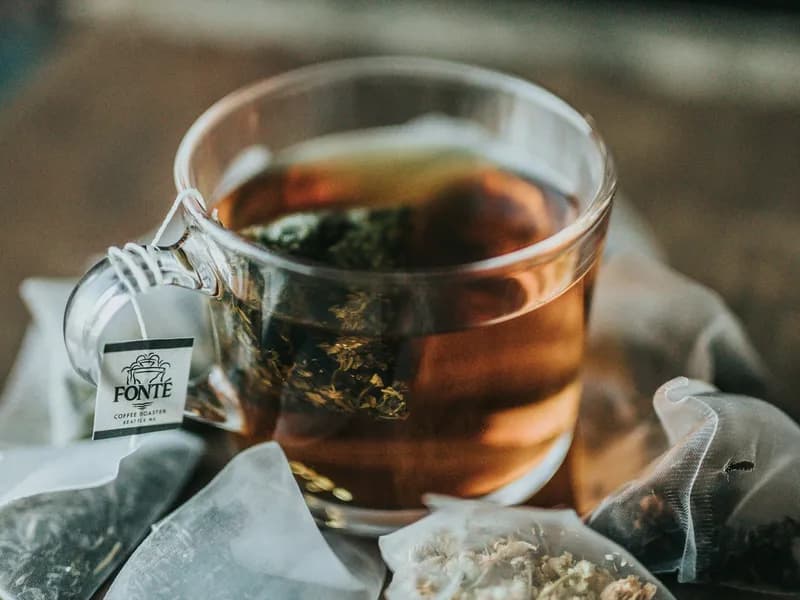
A unique fermented tea from Yunnan Province that improves with age, much like fine wine. Pu-erh undergoes a microbial fermentation process that gives it a deep, earthy, and smooth flavor. Aged pu-erh cakes can command thousands of dollars and are prized by collectors. It is traditionally valued for its digestive benefits and is often served after heavy meals.

Best Time to Visit Beijing

The best time to visit North China is September through October, when the autumn skies are clear and the temperature is pleasant. Summers can be sweltering with occasional sandstorms, while winters are bitterly cold and dry. The golden autumn foliage around Beijing and the Great Wall makes this the most photogenic season.

Recommended months

Sep - Oct

Peak season

Higher prices and crowds, but the best weather and conditions for sightseeing.

Off season

Lower prices and fewer tourists, but weather may be less favourable for outdoor activities.

Frequently Asked Questions

What is the best time to visit Beijing?
The best time to visit North China is September through October, when the autumn skies are clear and the temperature is pleasant. Summers can be sweltering with occasional sandstorms, while winters are bitterly cold and dry. The golden autumn foliage around Beijing and the Great Wall makes this the most photogenic season.
How do I get to Beijing?
Beijing is well served by China's extensive high-speed rail network and domestic flights. Most major Chinese cities have direct high-speed train or flight connections to Beijing. The city's main railway station and airport both offer convenient public transport links to the city centre. Booking through Trip.com or the 12306 app is recommended.
What is Beijing famous for?
Beijing is renowned for its iconic attractions including Great Wall, Forbidden City, Tiananmen Square, Summer Palace. The capital of the People's Republic of China and one of the most populous cities in the world. Beijing is a treasure trove of ancient history, home to the Forbidden City, the Great Wall, and the Temple of Heaven.
Is Beijing safe for tourists?
Yes, Beijing is generally very safe for tourists. China has low rates of violent crime, and cities are well-monitored. Exercise normal precautions with your belongings in crowded tourist areas and be aware of common scams like the tea house invitation. Use official taxis or the Didi ride-hailing app to avoid transport scams.
What food should I try in Beijing?
Beijing offers hearty northern Chinese cuisine featuring Peking duck, jiaozi (dumplings), zhajiangmian (noodles with soybean paste), and lamb hot pot. Street food in the hutong alleys is a highlight, especially at night markets.
How many days should I spend in Beijing?
Plan at least 3-4 days to explore Beijing's main attractions without rushing. With 6 major highlights including Great Wall and Forbidden City, you'll want enough time to soak in the culture and enjoy the food scene. Add an extra day or two if you plan day trips to nearby destinations.
What language is spoken in Beijing?
Mandarin Chinese (Putonghua) is the official language and is spoken everywhere in Beijing. English is limited outside international hotels and major tourist sites, so a translation app and a few basic Mandarin phrases will be very helpful.
What is the population of Beijing?
Beijing has a population of approximately 21.5 million, making it one of the largest cities in the world. The metropolitan area may be even larger when surrounding districts are included.
Travel guide for Chongqing
Southwest China

Chongqing

Built dramatically across steep hills at the confluence of the Yangtze and Jialing rivers, Chongqing is one of China's most visually striking cities. Famous for its mouth-numbing hot pot, neon-lit night skyline, and serving as the starting point for Yangtze River cruises through the Three Gorges, this mountainous megacity offers an unforgettable urban experience unlike anywhere else in China.

Yangtze River CruiseHongya Cave+4 more
Explore City
Travel guide for Shanghai
East China

Shanghai

China's largest city and a global financial hub, Shanghai dazzles visitors with its futuristic skyline along the Pudong waterfront and the colonial-era architecture of the Bund. Known for its vibrant nightlife, world-class dining, and rich art scene, Shanghai represents the cutting edge of modern China.

The BundYu Garden+4 more
Explore City
Travel guide for Chengdu
Southwest China

Chengdu

The laid-back capital of Sichuan Province is famous worldwide for its giant panda breeding centers and fiery Sichuan cuisine. Chengdu is known as the land of abundance, offering a slower pace of life with its teahouse culture, mahjong traditions, and proximity to stunning natural landscapes including Jiuzhaigou Valley.

Giant Panda Breeding Research BaseJinli Ancient Street+3 more
Explore City

Plan Your Trip to Beijing

Find hotels, activities, and travel tips for Beijing in China.