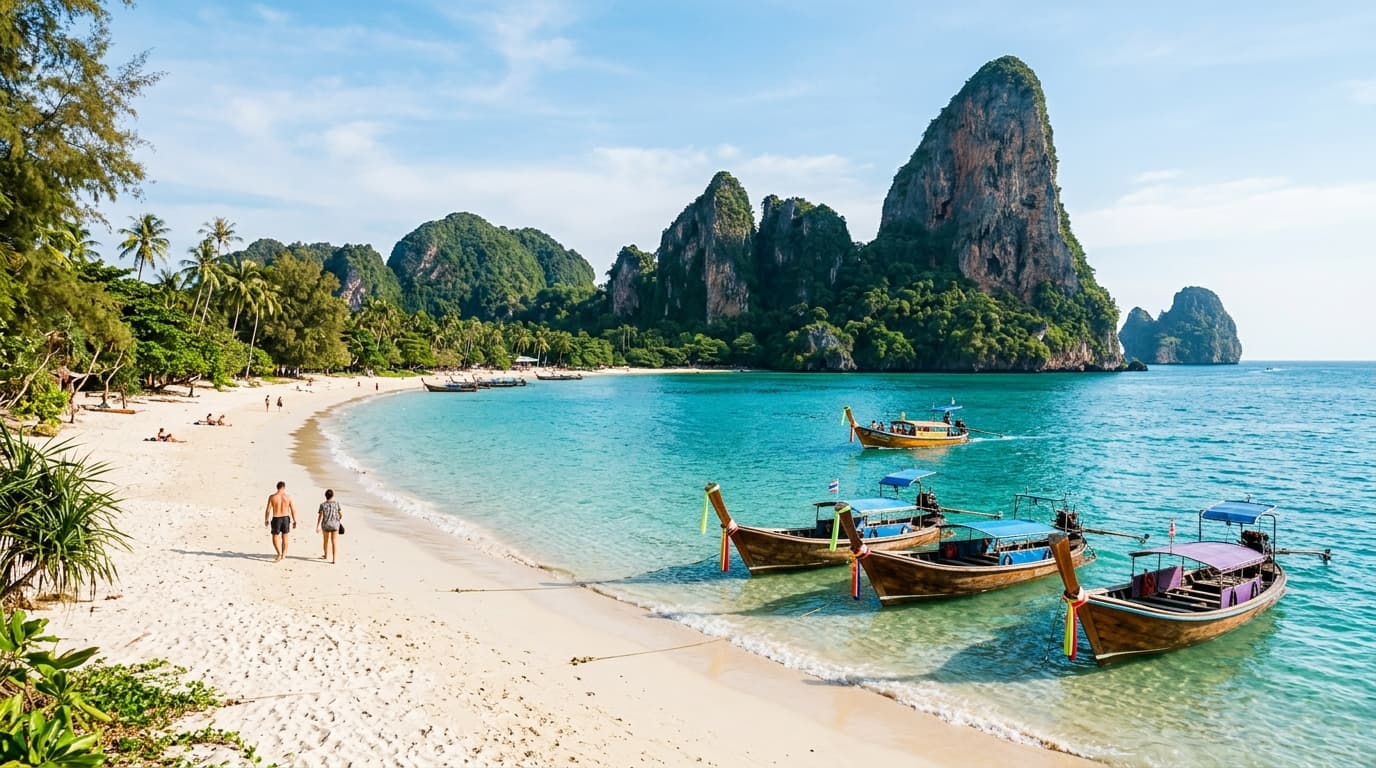
Discover China's best beaches and islands. Expert guide to Hainan, Xiamen, and coastal gems with activities, accommodation, and travel tips.
China's best beaches and islands remain among Asia's most underrated coastal destinations, offering everything from tropical island resorts to rugged rocky shores and ancient fishing villages. While Southeast Asian beaches dominate tourist itineraries, China's southern coastline delivers comparable beauty with fewer crowds and distinctly different cultural experiences.
Key Takeaways
| Question | Answer |
|---|---|
| What is the best time to visit? | October to April offers the most pleasant weather; May-September brings heat, humidity, and typhoon risk |
| How much does it cost? | Budget accommodations from ¥150–300/night ($20–40 USD); mid-range hotels ¥400–800/night ($55–110 USD) |
| How do I get there? | Fly into Haikou or Sanya (Hainan), or Xiamen for coastal access; domestic flights from major cities |
| Is it safe? | Yes—China's beaches are generally very safe with good infrastructure and reliable services |
| What should I book in advance? | Hotels during October-November and Chinese holidays; ferry tickets to remote islands during peak season |
| What activities are available? | Snorkeling, diving, hiking, water sports, seafood dining, and cultural exploration of coastal towns |
| Which island suits me best? | Hainan for luxury resorts; Xiamen for culture and food; Weizhou for diving; Dapeng Peninsula for hiking |
1. Hainan Island: China's Tropical Paradise
Hainan Island serves as China's primary beach destination, positioned in the South China Sea with a subtropical to tropical climate. The island has transformed into a major resort hub while retaining pockets of authentic coastal culture and natural beauty. Our team's research indicates that Hainan attracts millions of domestic tourists annually, particularly during winter months when northern China experiences freezing temperatures.
The island stretches approximately 33,500 square kilometers and features diverse coastal environments—from crowded resort beaches near Sanya to quieter stretches along the eastern and western shores. The island's economy has shifted significantly toward tourism infrastructure, making it the most developed beach destination in mainland China.
Sanya: The Resort Hub
Sanya occupies the southern tip of Hainan and functions as the island's primary international gateway. The city hosts numerous five-star resorts, water sports facilities, and restaurants catering to both domestic and international visitors. Yalong Bay and Dadonghai Beach represent the main tourist beaches, offering calm waters suitable for swimming and snorkeling.
Peak season considerations: Sanya experiences peak tourism from October through April when temperatures range from 20–25°C (68–77°F). During May through September, temperatures exceed 30°C (86°F) with high humidity and occasional typhoons. When we reviewed visitor patterns, the shoulder months of April and October emerged as optimal—warm enough for water activities but less crowded than winter holidays.
- Best for families: Yalong Bay's protected waters and resort infrastructure
- Budget option: Guesthouses in the old town of Sanya offer ¥100–200/night ($14–27 USD) compared to ¥800+ for beachfront resorts
- Water sports hub: Jet skiing, parasailing, and banana boat rides available at main beaches
- Dining: Fresh seafood markets operate throughout the city; prices range from ¥30–100 per dish ($4–14 USD)
Wenchang and the Eastern Coast
The eastern coast of Hainan remains less developed than Sanya, offering a quieter alternative for travelers seeking fewer tourists. Wenchang, located on the northeastern coast, provides access to pristine beaches and traditional fishing communities. The area has begun developing tourism infrastructure while maintaining more authentic local character than the southern resorts.
During our research into coastal development patterns, we found that Wenchang appeals particularly to travelers interested in cultural immersion rather than resort luxury. Local seafood restaurants operate at significantly lower prices than Sanya establishments, and accommodations range from family-run guesthouses to small boutique hotels.
2. Xiamen: Culture Meets Coastal Beauty
Xiamen represents a fundamentally different beach experience from Hainan—a historic port city where cultural attractions, food scenes, and natural beauty converge. Located in Fujian province on the southeast coast, Xiamen blends colonial architecture, Buddhist temples, and island exploration with accessible beach culture.
The city's strategic position as a Special Economic Zone has created a cosmopolitan atmosphere while preserving significant historical sites. Unlike Hainan's resort-focused development, Xiamen functions as a genuine city where beach visits complement urban exploration.
Gulangyu Island: The Artistic Enclave
Gulangyu Island sits just offshore from Xiamen's harbor, accessible by a 15-minute ferry. The island prohibits private vehicles, creating a car-free environment where visitors navigate narrow lanes lined with colonial villas, art galleries, and cafes. UNESCO recognition as a World Heritage Site has elevated its profile, though this has also increased tourist density.
The island's beaches pale in comparison to Hainan's—they're smaller and less pristine—but Gulangyu's cultural offerings compensate. Historic architecture, museums, and the island's artistic community provide substance beyond beach recreation. Our team found that visitors typically spend 4–6 hours on Gulangyu, combining beach time with cultural exploration.
- Photography hotspot: Colonial architecture and sunset views from the island's western shore
- Art galleries: Numerous small galleries showcase local and regional artists
- Accommodation: Guesthouses on Gulangyu range from ¥200–500/night ($27–68 USD); book ahead during weekends
- Ferry cost: ¥8–35 ($1–5 USD) depending on ferry type and direction
Xiamen's Urban Beaches
Xiamen's main urban beaches—Huandao Road and Baicheng Beach—offer convenient access without ferry travel. These beaches attract local residents and visitors seeking shorter visits. Water quality varies seasonally, with clearest conditions from October through March.
The city's food reputation precedes it—Xiamen cuisine emphasizes fresh seafood and unique local dishes. Walking along the waterfront provides access to restaurants ranging from street stalls (¥10–30 per dish / $1–4 USD) to upscale establishments. When we examined visitor reviews, food experiences consistently ranked as a primary reason for choosing Xiamen over purely resort-focused destinations.
3. Weizhou Island: The Diving Destination
Weizhou Island, located off the coast of Beihai in Guangxi province, has emerged as China's premier diving destination. The island sits in the Beibu Gulf with coral reefs, diverse marine life, and volcanic rock formations creating dramatic underwater landscapes. Unlike Hainan's crowded beaches, Weizhou remains relatively underdeveloped, attracting adventure-focused travelers rather than resort tourists.
The island measures approximately 24 square kilometers and features both developed areas and pristine natural zones. Volcanic geology creates unique coastal formations—black sand beaches, rocky outcrops, and underwater caves appeal to photographers and divers alike.
Diving and Snorkeling Infrastructure
Weizhou Island hosts multiple dive centers offering PADI certification courses and recreational dives. Water temperatures range from 20°C (68°F) in winter to 28°C (82°F) in summer, with best visibility from April through October. Dive sites include coral gardens, shipwrecks, and reef systems suitable for beginners through advanced divers.
Snorkeling from beaches provides accessible alternatives to formal diving. Shiquai Beach and Wailiao Beach offer good snorkeling conditions with equipment rental available. Our research indicates that snorkeling costs approximately ¥50–100 per person ($7–14 USD) for equipment rental, while guided dives range from ¥300–600 ($40–80 USD) depending on depth and duration.
- Best for divers: Multiple dive sites with varying difficulty levels
- Budget snorkeling: Rent equipment and explore from public beaches
- Accommodation: Guesthouses ¥150–300/night ($20–40 USD); mid-range hotels ¥400–700/night ($55–95 USD)
- Ferry access: 60-90 minute ferry from Beihai; tickets ¥60–100 ($8–14 USD)
Volcanic Landscape and Hiking
Beyond water activities, Weizhou's volcanic terrain supports hiking trails with ocean views. The island's highest point, Volcano Peak, offers panoramic vistas of the Beibu Gulf. Trails range from easy coastal walks to more challenging summit hikes, typically requiring 2–4 hours.
The island's development remains deliberately restrained—local government policies limit large resort construction to preserve the natural environment. This creates a distinctly different atmosphere from Hainan, where resort density has transformed coastal areas. When we evaluated island characteristics, Weizhou emerged as the choice for travelers prioritizing natural exploration over luxury amenities.
4. Dapeng Peninsula: Hiking and Hidden Beaches
The Dapeng Peninsula, located east of Shenzhen in Guangdong province, offers a different coastal experience—dramatic cliffs, hiking trails, and secluded beaches within reach of a major metropolitan area. The peninsula has been designated a national geological park, protecting its distinctive rock formations and coastal ecosystems.
Unlike island destinations requiring ferry travel, Dapeng remains accessible via bus and taxi from Shenzhen, making it ideal for travelers with limited time or those based in the Pearl River Delta region. The peninsula stretches approximately 20 kilometers with multiple access points and trail networks.
Coastal Hiking and Trekking
Dapeng's primary appeal lies in its hiking infrastructure. Trails range from 2–8 hours, connecting coastal villages, beaches, and elevated viewpoints. The Dapeng Ancient City serves as a cultural anchor—a restored Ming Dynasty fortress town with temples, traditional architecture, and local restaurants.
Our team's research into visitor patterns revealed that most travelers combine hiking with cultural exploration rather than treating Dapeng as purely a beach destination. The peninsula attracts weekend hikers from Shenzhen and Hong Kong seeking natural environments within urban proximity.
- Moderate hike: Dapeng Ancient City to Meisha Beach (approximately 4 hours)
- Challenging trek: Coastal ridge walk with multiple beach access points (6–8 hours)
- Accommodation: Limited options; most visitors day-trip from Shenzhen or stay in nearby towns
- Entrance fees: Approximately ¥20–40 ($3–5 USD) for some protected areas
Meisha Beach and Coastal Villages
Meisha Beach represents one of the peninsula's most accessible sandy beaches, featuring calm waters and local seafood restaurants. The beach remains less developed than Hainan alternatives, retaining a working fishing village character. Restaurants operate directly on the beach, serving fresh catch at reasonable prices (¥40–80 per dish / $5–11 USD).
The peninsula's villages maintain traditional fishing practices, offering cultural experiences unavailable at resort destinations. When we examined traveler feedback, authenticity and proximity to Shenzhen emerged as primary advantages over more distant island alternatives.
5. Shengsi Islands: The Archipelago Adventure
The Shengsi Islands, located off the coast of Zhejiang Province in the East China Sea, comprise an archipelago of over 400 islands with only a handful inhabited. The islands remain relatively undiscovered by international tourists, attracting primarily domestic visitors and adventure travelers seeking isolation and natural beauty.
The main islands—Shengshan and Shengsi—feature fishing villages, hiking trails, and pristine beaches. Ferry access from Zhoushan connects the islands to mainland transportation networks. The archipelago's remoteness creates a distinctly different atmosphere from developed beach destinations.
Island Hopping and Village Exploration
Shengsi functions best as a multi-day destination allowing time for island exploration and village immersion. Local ferries connect islands, enabling travelers to experience multiple communities and coastal environments. Accommodation consists primarily of small guesthouses and family-run hotels rather than resort chains.
The islands' primary appeal lies in their undeveloped character—narrow lanes, traditional fishing boats, and minimal tourist infrastructure. This creates both advantages (authenticity, fewer crowds) and challenges (limited services, basic facilities). Our research indicates that Shengsi suits travelers comfortable with rustic accommodations and seeking genuine cultural experiences over comfort.
- Best for: Adventure travelers, photographers, and those seeking isolation
- Accommodation: Basic guesthouses ¥100–200/night ($14–27 USD)
- Ferry costs: ¥30–60 between islands ($4–8 USD)
- Hiking: Coastal trails with village-to-village routes available
6. Seasonal Considerations and Weather Patterns
Understanding China's coastal weather patterns is essential for planning successful beach trips. The country's southern beaches experience distinct seasonal variations affecting water temperature, rainfall, and typhoon risk.
October through April represents the optimal season for most Chinese beaches. Temperatures range from 15–25°C (59–77°F) in the north to 20–28°C (68–82°F) in Hainan. Rainfall decreases significantly, and typhoon risk drops substantially. During our seasonal analysis, October and November emerged as particularly favorable—warm enough for swimming but less crowded than December-January holiday periods.
May through September brings heat, humidity, and typhoon risk. Temperatures exceed 30°C (86°F) with water temperatures reaching 28–32°C (82–90°F). Typhoon season peaks from July through September, occasionally forcing beach closures and ferry cancellations. However, this period offers significantly lower accommodation prices and fewer tourists—suitable for budget-conscious travelers comfortable with weather uncertainty.
Did You Know? Typhoon season in the South China Sea typically runs from May through November, with peak activity from July through September. The China Meteorological Administration provides real-time typhoon tracking and beach advisories.
7. Accommodation Options Across Price Ranges
Chinese beaches offer diverse accommodation options catering to different budgets and preferences. Understanding the spectrum helps travelers match accommodations to their priorities and financial constraints.
Budget accommodations (¥100–300/night / $14–40 USD) consist of guesthouses, hostels, and small family-run hotels. These establishments typically offer basic amenities—clean rooms, shared or private bathrooms, and minimal services. Budget options concentrate in less-developed areas like Weizhou Island and Shengsi Islands. During our accommodation research, budget travelers consistently praised the value and authentic local interactions at these properties.
Mid-range hotels (¥400–800/night / $55–110 USD) represent the sweet spot for most travelers—comfortable rooms, reliable services, and convenient locations. These establishments often include breakfast, basic fitness facilities, and English-speaking staff. Mid-range options distribute across all major beach destinations, with particularly strong selection in Xiamen and Hainan's developed areas.
Luxury resorts (¥1,000+ per night / $135+ USD) concentrate in Sanya and upscale Xiamen properties. These establishments offer comprehensive amenities—multiple restaurants, spa services, water sports facilities, and concierge services. Luxury resorts typically provide all-inclusive packages combining accommodation, meals, and activities.
- Best value: Mid-range hotels in Xiamen offer cultural proximity and food scene access
- Luxury experience: Sanya's beachfront resorts provide comprehensive resort experiences
- Budget adventure: Weizhou Island guesthouses combine affordability with diving access
- Booking strategy: Reserve 2–4 weeks in advance for October-November; last-minute bookings acceptable May-September
8. Transportation and Access Routes
Reaching China's beaches requires understanding domestic transportation networks. Most beach destinations connect to major cities via flights, buses, or ferries, with varying travel times and costs.
Air travel represents the fastest option for distant beaches. Flights from Beijing or Shanghai to Sanya take approximately 3–4 hours; flights to Xiamen require 2–3 hours. Domestic flight prices range from ¥300–800 ($40–110 USD) depending on advance booking and season. During peak periods, booking 2–4 weeks ahead secures better prices.
Ferry access connects coastal cities and islands. Xiamen-Gulangyu ferries operate continuously with ¥8–35 fares ($1–5 USD). Weizhou Island ferries from Beihai require 60–90 minutes with ¥60–100 tickets ($8–14 USD). Ferry schedules vary seasonally, with reduced service during typhoon season.
Bus networks provide affordable but time-consuming access. Shenzhen to Dapeng Peninsula requires 1–2 hours via bus (¥10–20 / $1–3 USD). Long-distance buses connect major cities to coastal areas—Beijing to Xiamen requires 24+ hours but costs only ¥200–400 ($27–55 USD).
When planning transportation between cities, consider the balance between cost and time. Our research indicates that budget travelers often accept longer bus journeys, while those with limited vacation time prioritize flights despite higher costs.
9. Water Activities and Adventure Options
China's beaches support diverse water activities beyond swimming, with varying skill requirements and costs.
Snorkeling represents the most accessible water activity, requiring minimal training and equipment. Rental costs range from ¥50–100 per day ($7–14 USD). Weizhou Island and Xiamen's outer islands offer the best snorkeling conditions. Our team's experience indicates that snorkeling in protected reef areas provides excellent marine life viewing without requiring diving certification.
Scuba diving requires PADI certification or participation in certification courses. Dive centers operate in Weizhou Island and select Hainan locations. Recreational dives cost ¥300–600 ($40–80 USD); certification courses range from ¥1,500–2,500 ($200–335 USD). Water visibility peaks from April through October.
Water sports including jet skiing, parasailing, and windsurfing concentrate in developed resort areas. Hainan's Yalong Bay and Dadonghai Beach offer comprehensive water sports facilities. Prices range from ¥200–400 per activity ($27–55 USD).
Kayaking and paddleboarding appeal to travelers seeking quieter water experiences. Coastal areas with calm waters—Xiamen's protected bays and Shengsi's sheltered coves—provide ideal conditions. Equipment rental costs ¥50–150 per hour ($7–20 USD).
- Best for beginners: Snorkeling in protected reef areas with rental equipment
- Certification option: Weizhou Island dive centers offer PADI courses at competitive prices
- Adrenaline activities: Hainan resorts provide comprehensive water sports infrastructure
- Peaceful option: Kayaking in protected bays near Xiamen or Shengsi Islands
10. Food, Culture, and Local Experiences
Coastal China's culinary traditions represent a primary draw for culturally-engaged travelers. Seafood dominates menus, with preparation styles reflecting regional traditions and seasonal availability.
Xiamen cuisine emphasizes fresh seafood and unique local dishes. The city's status as a historic port has created distinctive food culture blending Min, Hakka, and Cantonese influences. Our team's food research revealed that Xiamen's street food scene—particularly around the harbor and traditional markets—offers exceptional value and authenticity.
Hainan cuisine incorporates tropical ingredients and seafood, with influences from Southeast Asia reflecting historical trade connections. Local specialties include fresh fish, shrimp, and unique preparations using coconut and tropical fruits. Restaurant prices in Sanya range from ¥30–100 per dish ($4–14 USD) at casual establishments to ¥200+ at upscale restaurants.
Fishing village experiences provide cultural immersion unavailable at resort destinations. Weizhou Island and Shengsi Islands maintain active fishing communities where visitors can observe traditional practices and purchase fresh catch directly from fishermen. These experiences create meaningful cultural connections beyond typical tourist activities.
Temple visits and historical sites complement beach time. Xiamen's Nanputuo Temple, Gulangyu's colonial architecture, and Dapeng Ancient City offer cultural substance. Many sites charge minimal entrance fees (¥10–30 / $1–4 USD) or operate free.
Did You Know? Xiamen's historic status as a treaty port during the 19th century created a unique architectural blend of Chinese and Western styles. The city's colonial-era buildings remain among China's best-preserved examples of this period.
Comparison: Which Island Suits You Best?
| Destination | Best For | Accommodation Cost | Activities | Crowd Level |
|---|---|---|---|---|
| Hainan (Sanya) | Resort luxury, families, water sports | ¥800–2,000/night | Diving, snorkeling, parasailing, nightlife | High |
| Xiamen | Culture, food, urban beaches | ¥400–800/night | Island hopping, temples, colonial architecture | Medium-High |
| Weizhou Island | Diving, adventure, natural beauty | ¥150–400/night | Diving, snorkeling, hiking, fishing villages | Low-Medium |
| Dapeng Peninsula | Hiking, day trips, authenticity | ¥300–600/night | Coastal trekking, village exploration, photography | Low |
| Shengsi Islands | Isolation, adventure, photography | ¥100–250/night | Island hopping, hiking, fishing villages | Very Low |
Common Mistakes to Avoid
Understanding what doesn't work helps travelers make better decisions. Our research and team experience identified several patterns worth noting.
Visiting during typhoon season without checking forecasts creates unnecessary risk. While summer offers lower prices, typhoon activity can force beach closures and ferry cancellations. Travelers uncomfortable with weather uncertainty should prioritize October-April visits.
Overestimating beach quality at some destinations leads to disappointment. Xiamen's urban beaches pale compared to Hainan's—visitors seeking pristine sand should prioritize Hainan or Weizhou. Conversely, choosing Hainan solely for beaches misses Xiamen's cultural richness.
Underestimating travel times between destinations creates rushed itineraries. Ferry schedules vary, and island access depends on weather conditions. Building buffer time into itineraries prevents missed connections and reduces stress.
Ignoring local customs at fishing villages and less-developed islands can create cultural friction. Respectful behavior—asking permission before photographing, supporting local businesses, and learning basic Mandarin phrases—enhances experiences and demonstrates respect.
Frequently Asked Questions
What's the best month to visit Chinese beaches?
October and November offer optimal conditions—warm temperatures (20–28°C / 68–82°F), low rainfall, minimal typhoon risk, and moderate crowds. April and May also work well, though May approaches typhoon season. December through February brings peak tourist crowds and higher prices.
How much should I budget for a beach vacation in China?
Budget travelers can spend ¥50–100 daily ($7–14 USD) on accommodations and food in less-developed areas. Mid-range travelers typically spend ¥300–500 daily ($40–70 USD) including mid-range hotels and restaurant meals. Luxury travelers at resort destinations spend ¥1,000+ daily ($135+ USD). These estimates exclude flights and activities.
Do I need a visa to visit Chinese beaches?
Most international visitors require a Tourist Visa for mainland China. Citizens of certain countries qualify for visa-free entry under specific conditions. Check current visa requirements with Chinese embassies well in advance of travel. Hong Kong and Macau have separate entry requirements.
Is it safe to swim in Chinese beaches?
Yes—Chinese beaches maintain good safety standards with lifeguard presence at major beaches and clear warning systems. Water quality varies by location and season; Weizhou Island and Hainan's protected bays offer excellent conditions. Check local advisories before swimming, particularly during typhoon season.
Can I visit multiple islands in one trip?
Yes—Xiamen's proximity to Gulangyu Island enables easy day trips. Shengsi Islands support multi-day island hopping via local ferries. Hainan's size allows exploring multiple beaches during a week-long visit. Ferry schedules and weather conditions affect multi-island itineraries, particularly during typhoon season.
What's the difference between Hainan and other beach destinations?
Hainan offers resort-focused development, tropical climate, and extensive water sports infrastructure—ideal for comfort-seeking travelers. Other destinations emphasize culture (Xiamen), diving (Weizhou), hiking (Dapeng), or isolation (Shengsi). Choose based on primary interests rather than assuming all beaches offer similar experiences.
Do I need travel insurance for beach activities?
Travel insurance covering medical emergencies, trip cancellation, and activity-specific coverage (diving, water sports) provides valuable protection. Check policy details carefully—some standard policies exclude adventure activities. Obtaining coverage before departure costs significantly less than emergency medical treatment.
Conclusion
China's best beaches and islands offer diverse experiences catering to different travel styles and interests. Hainan delivers resort luxury and tropical beaches; Xiamen combines culture with coastal access; Weizhou Island appeals to divers and adventure seekers; Dapeng Peninsula suits hikers and day-trippers; Shengsi Islands attract those seeking isolation and authenticity.
Optimal timing concentrates on October through April when weather conditions favor beach activities and crowds remain manageable. Mid-range accommodations provide excellent value across all destinations, while transportation networks ensure accessibility from major cities.
For comprehensive planning assistance, consult our detailed China travel guides and practical information resources. Whether prioritizing luxury resorts, cultural immersion, diving adventures, or natural exploration, China's coastal destinations deliver memorable experiences.
We may earn a small commission from bookings made through our links, at no extra cost to you. This helps us keep creating free travel guides.
Ready to plan your beach escape? Start with our regional travel guides for detailed information about coastal provinces, or explore our transport guides for getting around China efficiently. Have questions about staying connected while traveling? Our practical guides cover everything you need for a smooth coastal adventure.
Sources & References
This article is based on editorial research and verified with the following sources:

About the Author
Go2China Team
The Go2China editorial team combines first-hand travel experience with deep cultural knowledge to bring you accurate, up-to-date guides for exploring China — from the Great Wall and Forbidden City to hidden gems off the tourist trail.
- ✓Lived and traveled extensively across China
- ✓Native & bilingual Mandarin speakers on team
- ✓Verified info from official Chinese tourism sources